
Parmesan Recipes

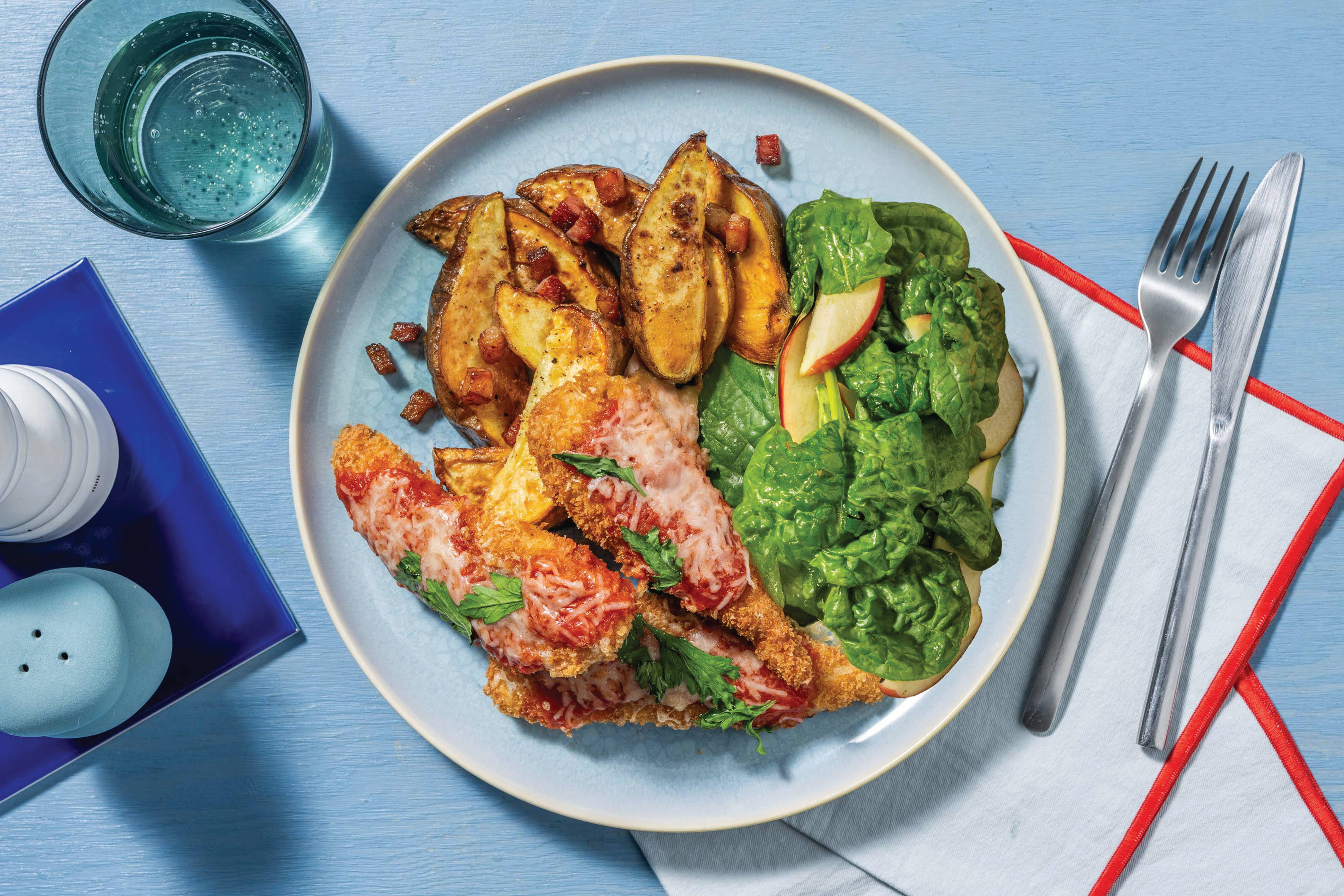
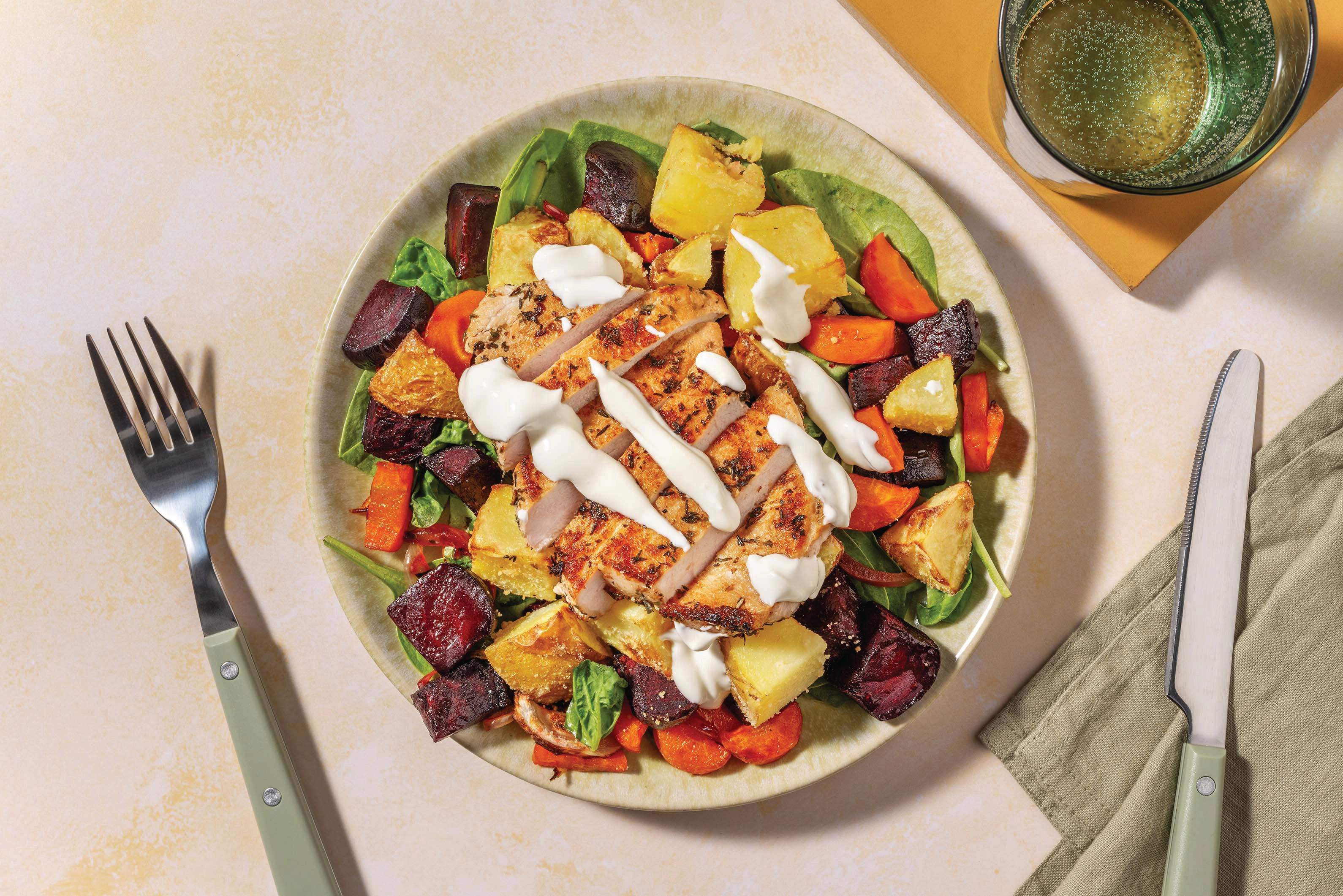
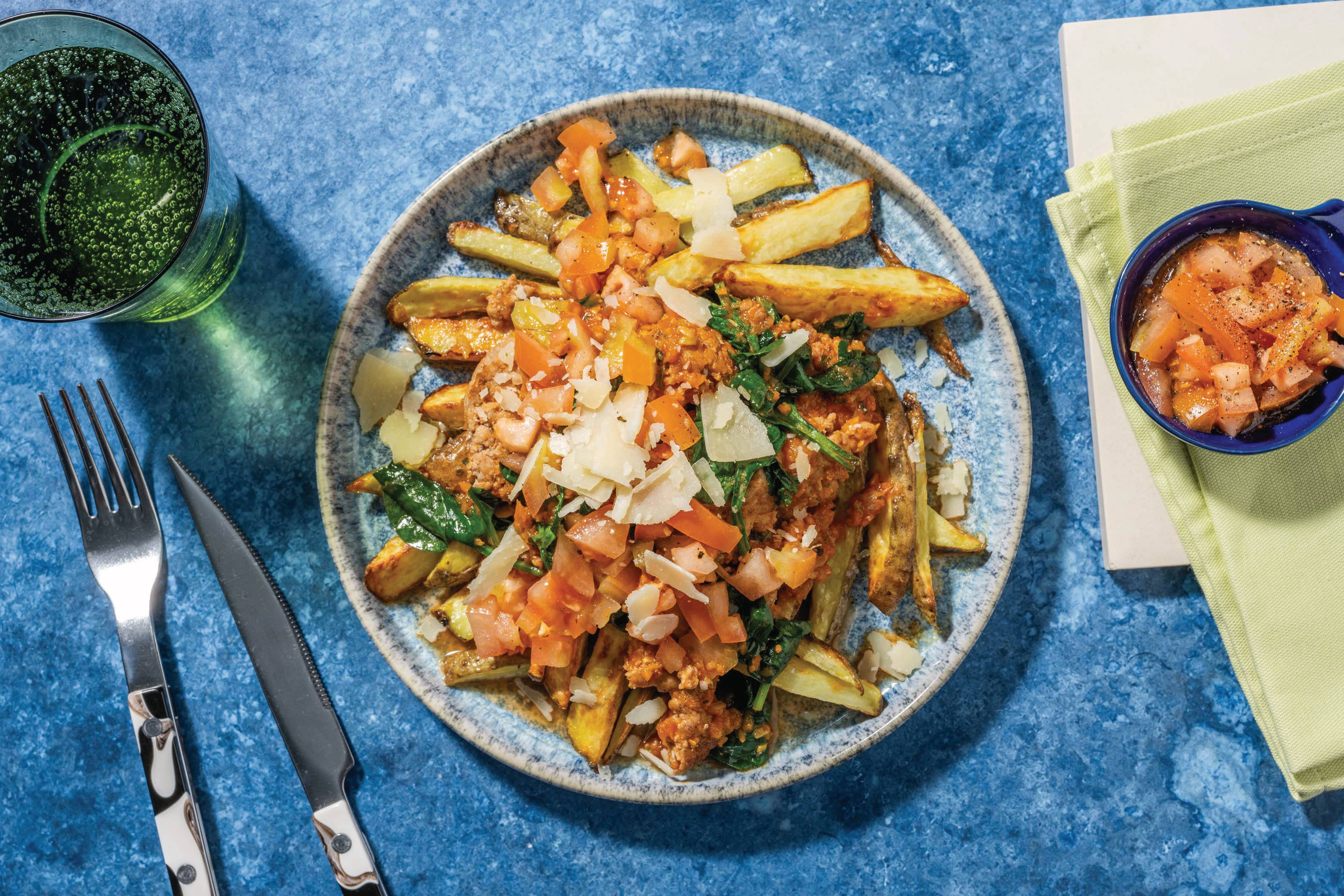
Rich, bold and tangy, our favourite Italian hard cheese elevates roast potatoes, parmesan pasta, chicken parmesan recipes and more.

Get inspired

Pecorino Cheese vs. Parmesan: What’s the Difference?

Pecorino Cheese vs. Parmesan: What’s the Difference?

Due to their similarities, many people wonder what the difference is between pecorino and Parmesan cheese. Well, they can both be enjoyed whole but are equally delightful grated on top of a variety of recipes, including pasta bakes and pizza recipes. Both cheeses have a distinctive tang. As well as their versatility, they even look similar. They’re both white cheese, flaky and flecked with crystals.

So with all these similarities between the two cheeses, you may still be wondering, what’s the difference between pecorino and Parmesan? One key difference is that pecorino, known for its salty and sharp flavour, is made from sheep’s milk, while Parmesan is made from cow's milk. Additionally, pecorino has a more intense taste compared to parmesan, with a distinctive nutty flavour.

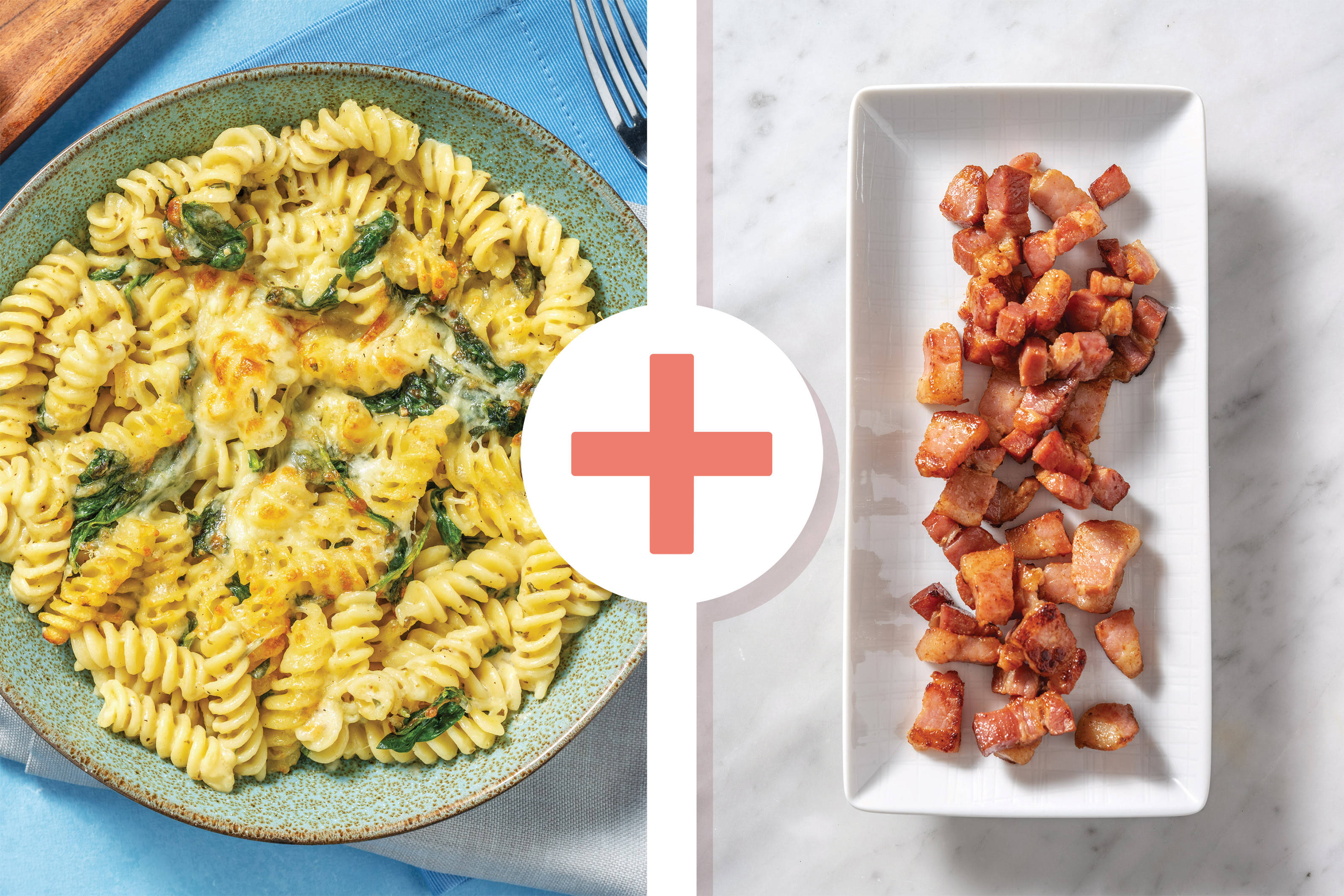
Another distinction between the cheeses lies in their ageing processes and regional origins. Pecorino Romano, a popular variety, is typically aged for eight to 12 months, resulting in a robust and piquant flavour. Parmesan, or Parmigiano-Reggiano, ages for 12 to 36 months, developing a complex, savoury taste and granular texture, which you can definitely experience in our parmesan pasta bake recipe.
Can you use pecorino romano instead of Parmesan?

Can you use pecorino romano instead of Parmesan?

If you’d like a little more kick in flavour, you can enjoy some pecorino Romano as an alternative to Parmesan. However, many cheese lovers suggest making sure to use pecorino carefully. That’s because the flavour is more intense and will make more of a statement in your cheese recipes.

For example, if you’re using pecorino when the parmesan-crusted salmon recipe calls for Parmesan cheese, consider using one-third less as a rule of thumb, to account for the heightened taste and saltiness.

How is Parmesan cheese made?

How is Parmesan cheese made?

Parmesan cheese is made using traditional methods that have been perfected over centuries. It starts with high-quality cow’s milk, which is combined with natural whey and rennet to begin the curdling process. The curds are then cut, cooked, and pressed into large wheels before being soaked in a salt brine to develop flavour.

After brining, the cheese is aged for at least 12 months, but some varieties mature for 24 months or longer to enhance their rich, nutty taste. The ageing process is what gives Parmesan its signature hard texture and deep umami flavour, making it a staple in countless dishes.

Additionally, due to having a low moisture content and, therefore, being less prone to bacteria, parmesan will keep for longer than other types of cheeses. Just check for any hardening or darkening before eating.

Enjoy hassle-free home-cooked meals with HelloFresh

Enjoy hassle-free home-cooked meals with HelloFresh

Order today and get up to 40% off plus free extras for eight weeks!

Order HelloFresh