
Garam Masala Recipes

Garam masala adds spice and authenticity to many South Asian dishes. Here, you can discover a garam masala recipe you’ll love. Learn about the best garam masala substitute to use if you don’t have any in your spice cupboard.

Get inspired

Learn How to Make Garam Masala

Learn How to Make Garam Masala

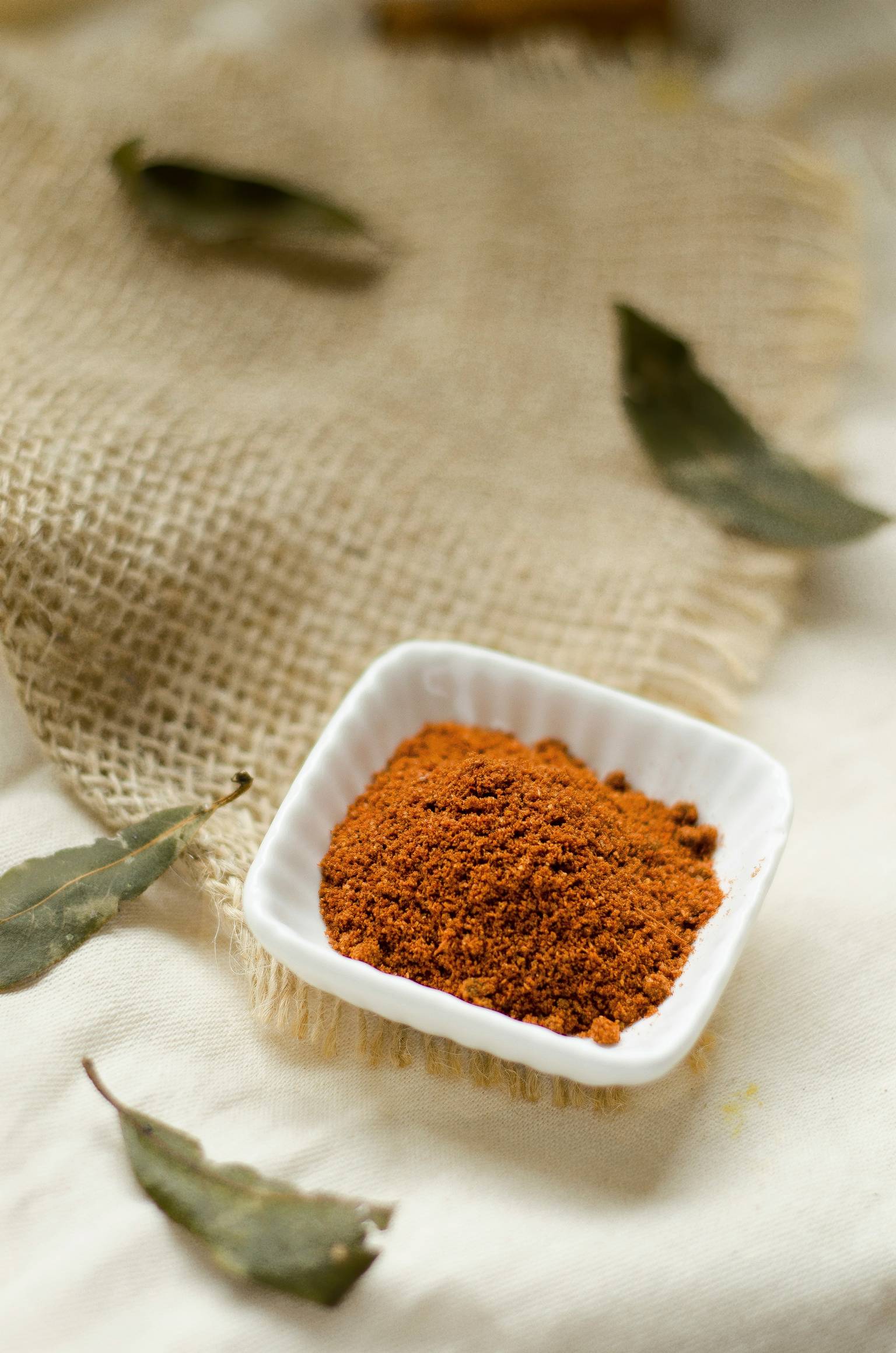
Featured in many recipes around the world, garam masala is blended from various spices. If you have a recipe that calls for it, then you can use pre-prepared garam masala. However, blending your own garam masala spice is often preferable, especially because the ingredients will be ready to release their full flavour when freshly ground.

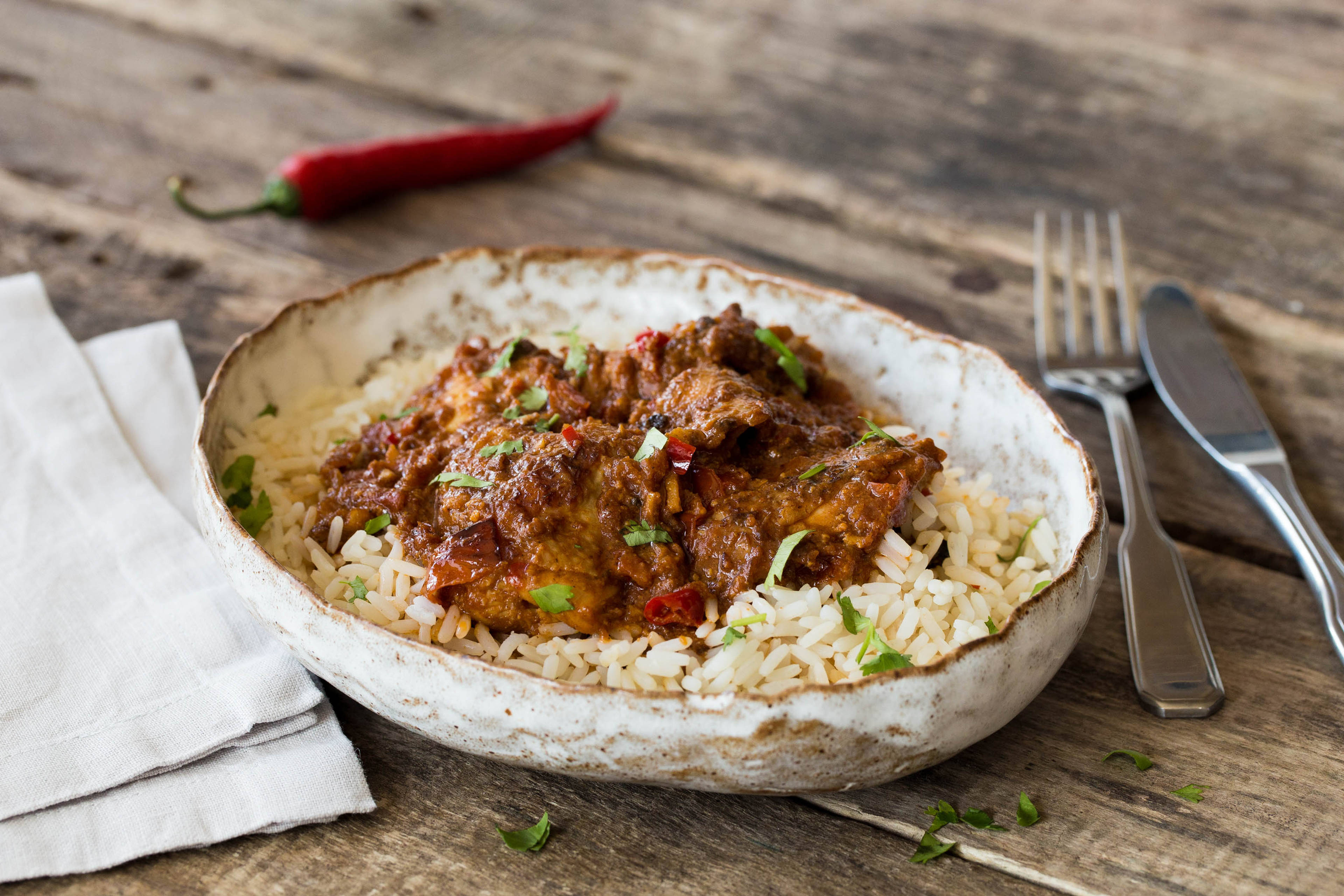
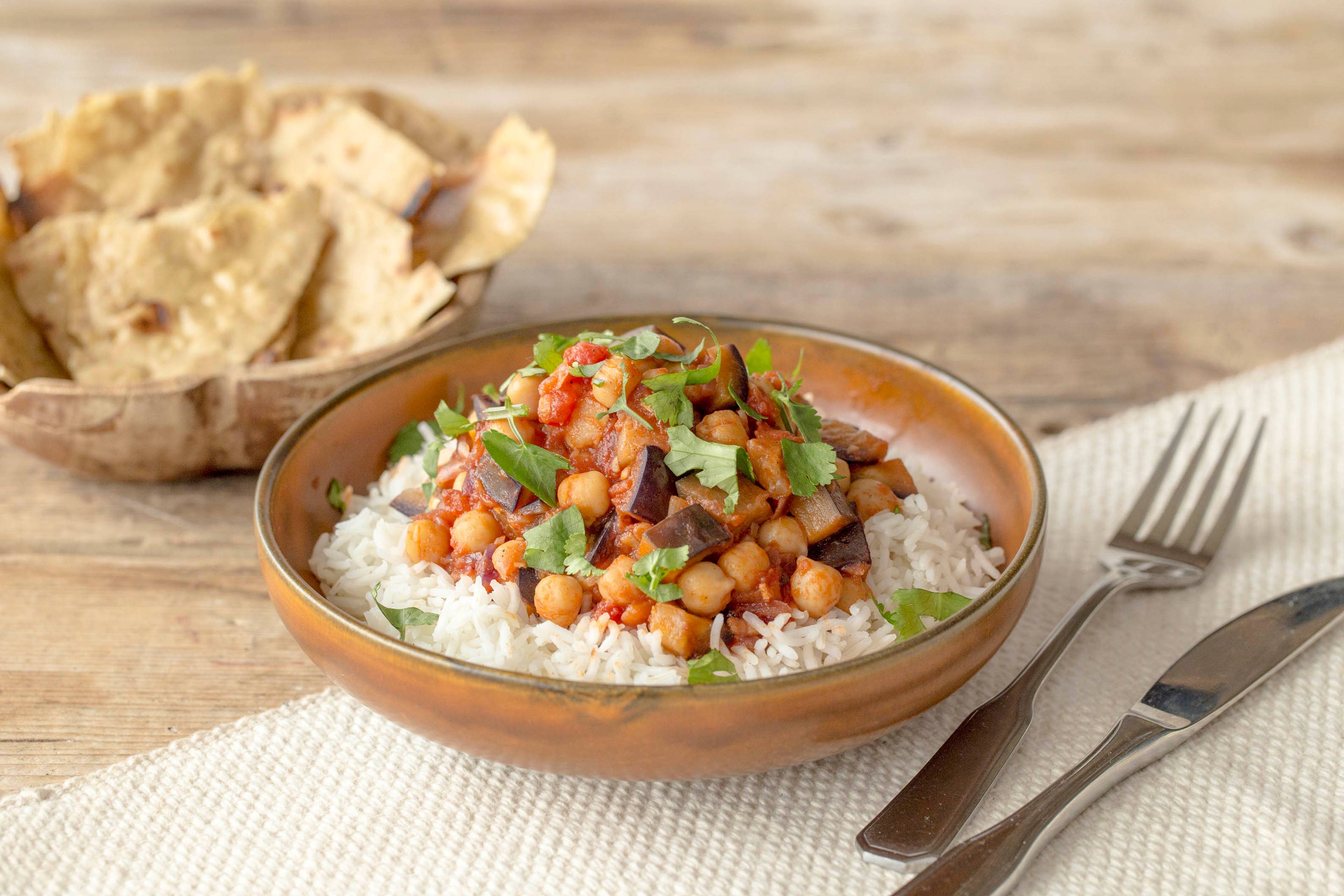
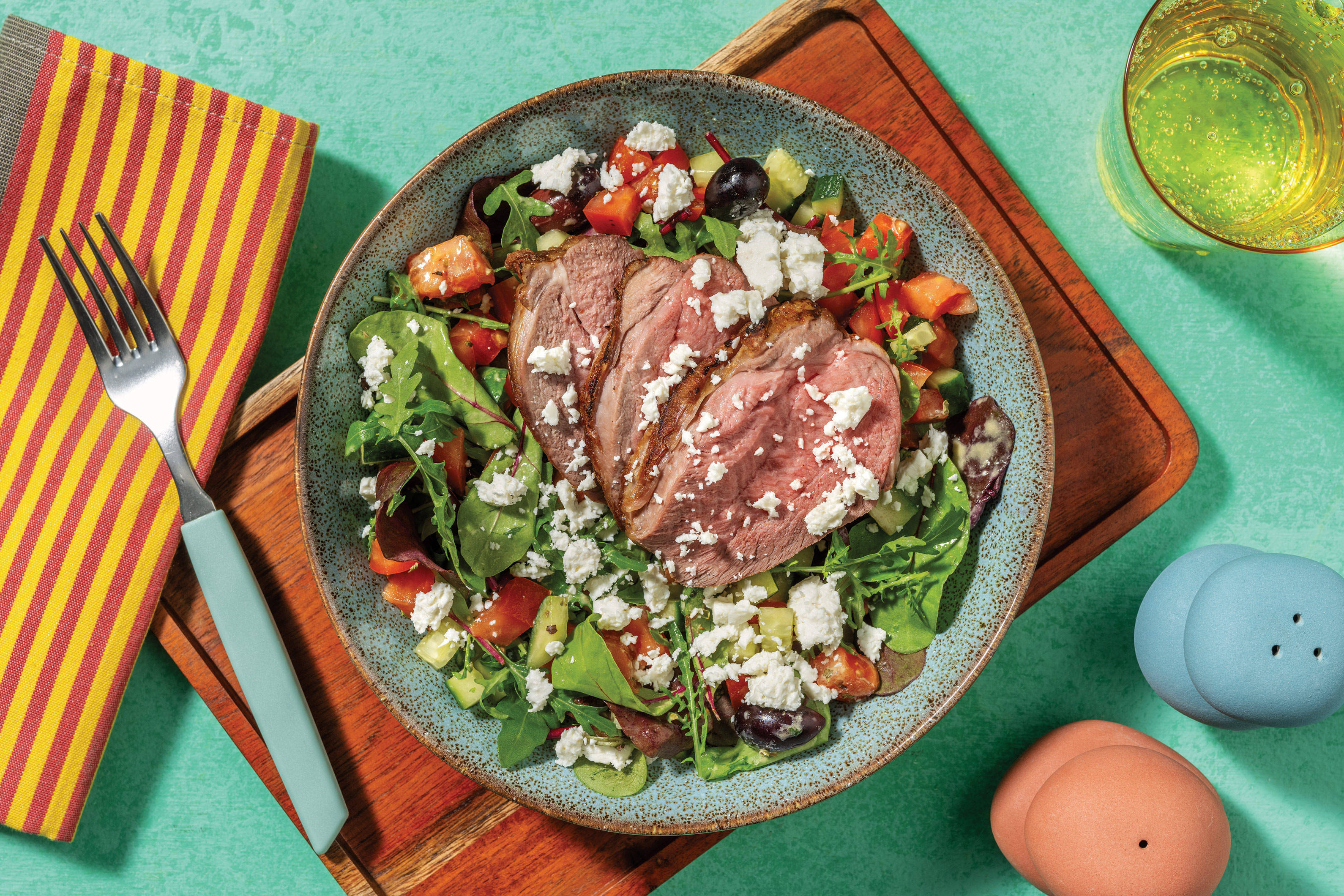
A good example is this Maharaja's lamb & carrot feast recipe. Although this winter-warmer would be delicious using a sachet of the spice blend, grinding it yourself will add to the flavour intensity. The same goes for this chickpeas with eggplant recipe, which uses garam masala to add pungency.
Steps for Making Garam Masala

Steps for Making Garam Masala

Here's how to make your own garam masala recipe, which you can adapt for meals for one or more once you've gotten the hang of it.

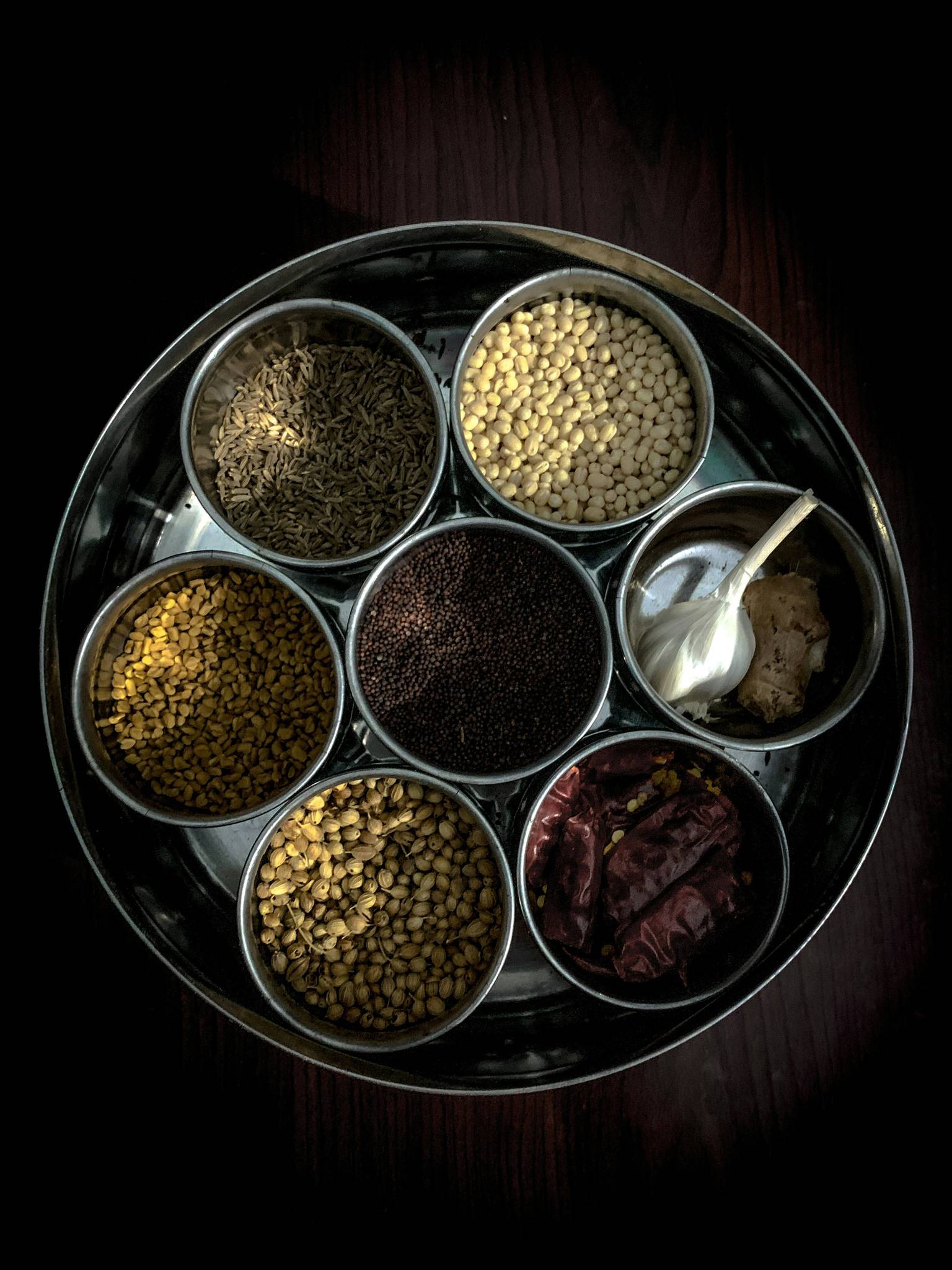
  1. Before you start blending, make sure you have all the necessary garam masala spices on hand. Keep in mind that spice names may vary in some Asian supermarkets—cumin might be labelled jeera in Hindi or jira in Punjabi. Don’t worry, as the common names are usually shown too. Avoid pre-ground spices if possible, as the aim is to grind your own for the freshest flavour.  

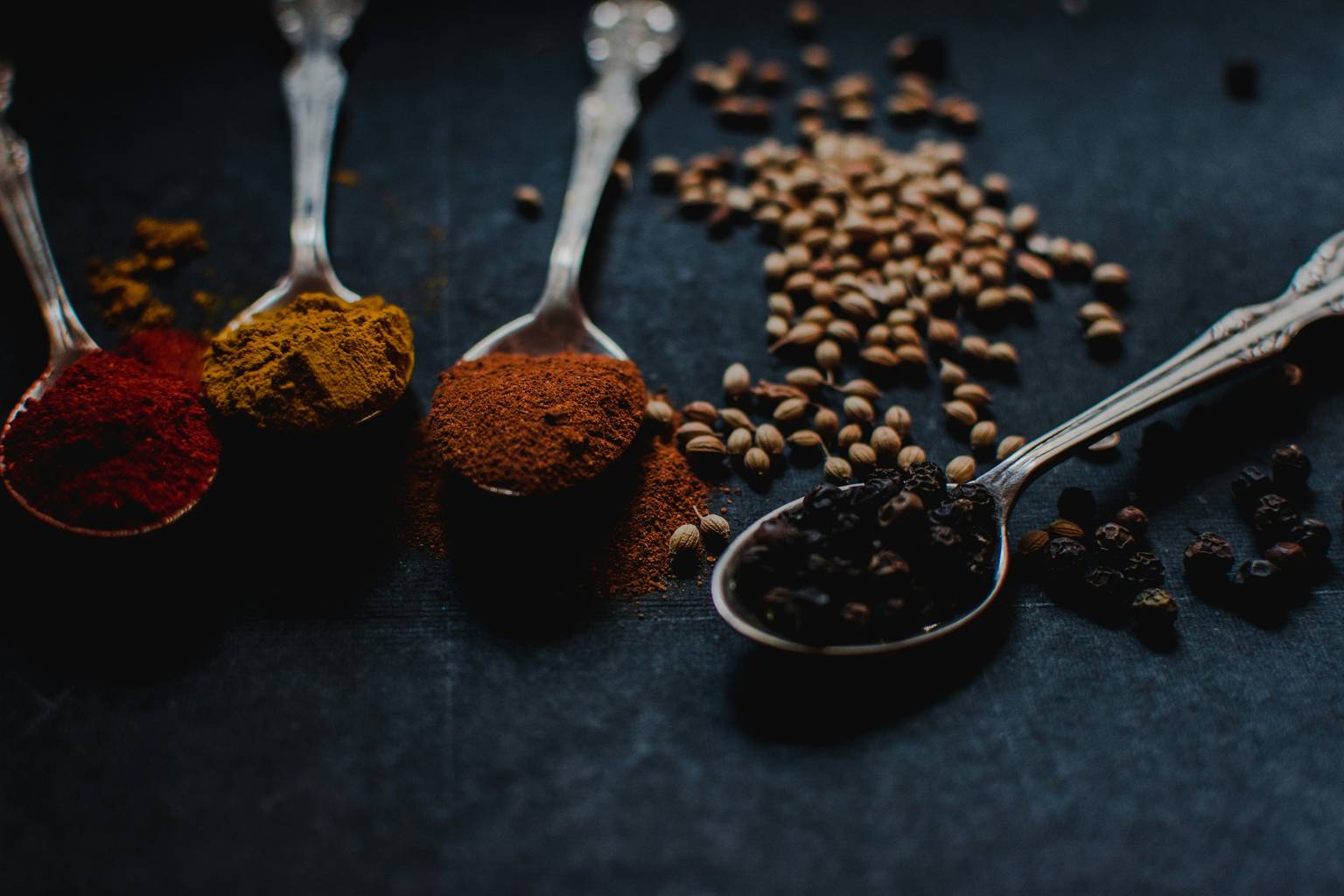
  2. Remember that garam masala recipes differ across South Asia, so there’s no single “authentic” version. Try to gather as many of these ingredients as possible: coriander seed, cumin seed, peppercorns, cinnamon sticks, cardamom seeds, fennel seeds and bay leaves.  

  3. Place two teaspoons of coriander seeds and peppercorns (black if available) into a dry frying pan over low heat. Add one teaspoon each of cumin seed, cardamom seeds (just the internal black seeds, not the husk) and fennel seeds, plus half a teaspoon of whole cloves. For a larger batch, double or triple the amounts while keeping the proportions the same.  

  4. While the seeds are toasting, grind a quarter of a cinnamon stick with two bay leaves in a pestle and mortar, or use a food blender.  

  5. When the toasted ingredients darken slightly, transfer them to the cinnamon and bay leaf mixture.  

  6. Grind or blend all the garam masala spices together into a fine powder. Use it in your cooking by adding it with wet ingredients to prevent burning. Store in a clean jar. 

The History of Garam Masala Spices

The History of Garam Masala Spices

Whether you stick to set meal plans or want to cook a curry with more authenticity, learning more about one of the chief ingredients of South Asian cuisine, garam masala, will be beneficial. What is garam masala, and how did this particular blend come about?

This particular blend of spices is thought to have originated in northern India when it was recorded during the Mongol period in the 13th century. It soon spread throughout the sub-continent, with many regional variations, sometimes including imported spices from the East Indies. Regional variations have become embedded in local cooking cultures, with certain quantities of spices being preferred in more abundance, especially if a particular spice grows well in the region.

Chilli powder and mace are sometimes used, while some garam masala recipes also call for star anise, garlic or vinegar. Today, garam masala is widely used in Indian recipes, as well as Bangladesh, Sri Lanka, Nepal, Pakistan and the Caribbean.

Enjoy hassle-free home-cooked meals with HelloFresh

Enjoy hassle-free home-cooked meals with HelloFresh

Order today and get up to 40% off plus free extras for eight weeks!

Order HelloFresh