
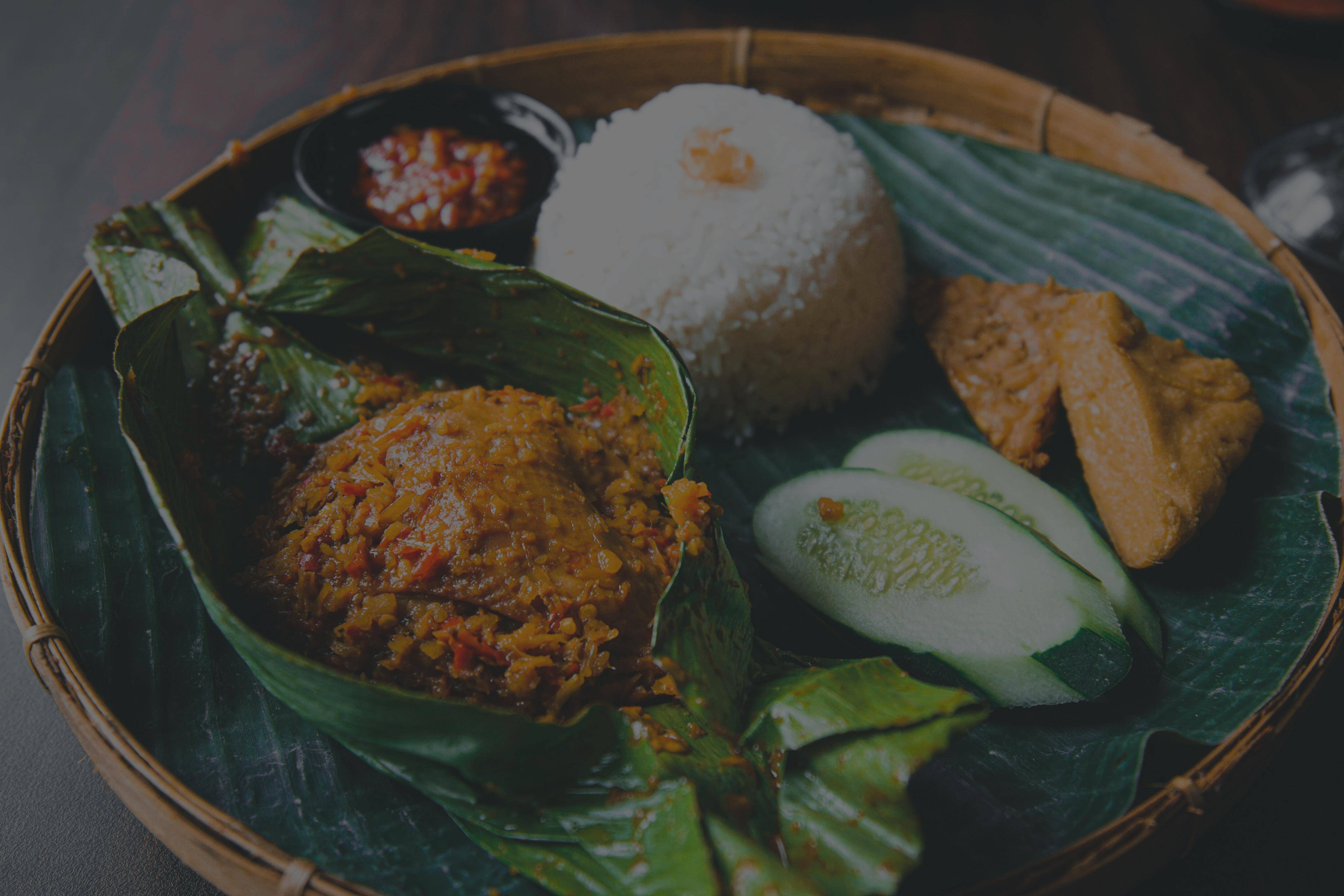
Malaysian cuisine deserves far more recognition in the West. With creamy coconut curries, Indian-style flatbreads, and a local twist on fried rice, it’s a vibrant blend of flavours and influences. These ideas will help you bring a taste of Malaysia to your kitchen and might even have you dreaming of beaches, rainforests and orangutans.
All about Malaysian cuisine: a culinary melting pot
Malaysia is a country with a remarkable history and a great deal of diversity. The most populous ethnic groups in the country include Malays, Chinese, Indians and the indigenous people of Borneo. Naturally, each group has its own culinary traditions. Modern Malaysian cuisine is influenced by each group. What's more, every Malaysian state has its own unique dishes. It's often said that the finest food comes from Penang, an island where Chinese and Malays have mingled for years, bringing their food together to create Peranakan cuisine, a perfect natural fusion.
While you won't be able to get rare Bornean ingredients from your average Aussie supermarket like Woolworths, there are lots of Malaysian dishes you can try in your own kitchen. There's plenty of overlap with Thai and Chinese cuisine, so you can often find ingredients in specialist Asian shops — or look for Malaysian dishes in HelloFresh meal kits to make your life easier.
Malaysian beef rendang and chicken curry
There are endless debates between Malaysians and Indonesians about exactly where beef rendang originated — but whatever the truth of the matter is, it's delicious. This is a slow-cooked curry made from meat (usually beef, but sometimes chicken) stewed in coconut milk and spices. The cooking should continue until the liquid evaporates, leaving a dry curry with complex flavours.
Chicken curry is another popular dish, and there are many different versions. This Malaysian-style tofu rice, which also has plenty of veggies for extra flavour, is a good starting point for curious cooks.
The all-important Malaysian rice
If you're into Asian recipes, you probably cook a lot of rice! In Malaysia, rice is usually simply steamed. However, it can also be fried (nasi goreng, which is spicier than Chinese fried rice). One of the most common ways of serving rice is in nasi lemak, considered Malaysia's national dish. It's cooked in coconut milk and pandan leaves, then served with a range of accompaniments, including crispy fried anchovies, peanuts and spicy sambal.
Easy Malaysian midweek meals
While dishes like rendang can take hours to prepare, there are simpler options to try at home. This satay beef brisket curry is the Malaysian version of Australian beef brisket. Serve it with spicy sambal drizzled over the top. Add it to taste, so you can decide just how fiery your curry is.
One of the most popular dishes in Malaysia is laksa, which resembles a Thai curry. Just like in neighbouring Thailand, it's made with coconut milk and curry paste, but it's actually a kind of soup, served with egg noodles, rice noodles, or vermicelli in the broth. It originated in Penang, but nowadays each state in Malaysia has its own version of laksa. It can be made with chicken, beef, seafood, fish or tofu. Try this Malaysian veggie laksa recipe, or explore our other vermicelli noodle recipes.
How to prepare and serve a Malaysian feast
Malaysian food often comes with a generous range of condiments — spicy sambal paste, sour pickles, sweet chilli sauce, and Chinese-style sauces like soy or hoisin. These are served in small bowls at the table, allowing diners to adjust the flavour and heat of their meal to taste. Some dishes, like dim sum, show a strong Chinese influence and are eaten with chopsticks. However, most Malaysian meals are enjoyed with a spoon and fork — good news for anyone who hasn’t quite mastered the sticks yet!
Malaysian Food FAQs
What is the signature dish of Malaysia?
The national dish of Malaysia is nasi lemak, which is rice cooked in coconut milk and pandan leaves. It's served with a number of accompaniments, including spicy sambal, crispy fried anchovies, roasted peanuts, eggs and cucumber. The rice is often presented wrapped in a banana leaf for a dramatic touch. Traditionally eaten for breakfast, it's also sold throughout the day at street stalls and cafés across the country.
What makes Malaysian cuisine unique?
Malaysia is an incredibly diverse country, with ethnic groups that include Malays, Chinese, Indians, and the indigenous people of Borneo. Each group has brought its own flavours and techniques to the country's kitchens, so many Malaysian dishes are a remarkable cultural fusion. The very best Malaysian cuisine, Peranakan food, is a distinctive blend of Chinese and Malay influences.
What are the cooking methods in Malaysia?
Common cooking methods in Malaysia include stir-frying, grilling and braising. Dishes are usually cooked without an oven, either on the stovetop or on the grill. Deep-fried dishes, like the popular pisang goreng (banana fritters), are also quite common. Cooks often rely on a mortar and pestle to grind spice pastes, which form the aromatic base of many Malaysian curries and sauces.
What is the most eaten food in Malaysia?
Nasi lemak, fragrant coconut rice served on a banana leaf with a variety of accompaniments, is the most popular dish in Malaysia. Other stars of the Malaysian table include beef rendang, a slow-cooked curry, laksa, which is like a cross between a coconut-based Thai curry and a noodle soup and satay. These dishes are found everywhere, from street food stands to high-end restaurants.
Is Malaysian food spicy?
Malaysian food can be spicy, but dishes are rarely as fiery as they are in neighbouring Thailand. Spice often takes the form of sambal, a chilli paste, which is served on the side of the plate. Diners can take as much as they like and mix it into their rice or noodles, taking control of their own spice levels. Many Malaysian dishes balance heat with sweetness, sourness and saltiness for a rounded, layered flavour profile.