
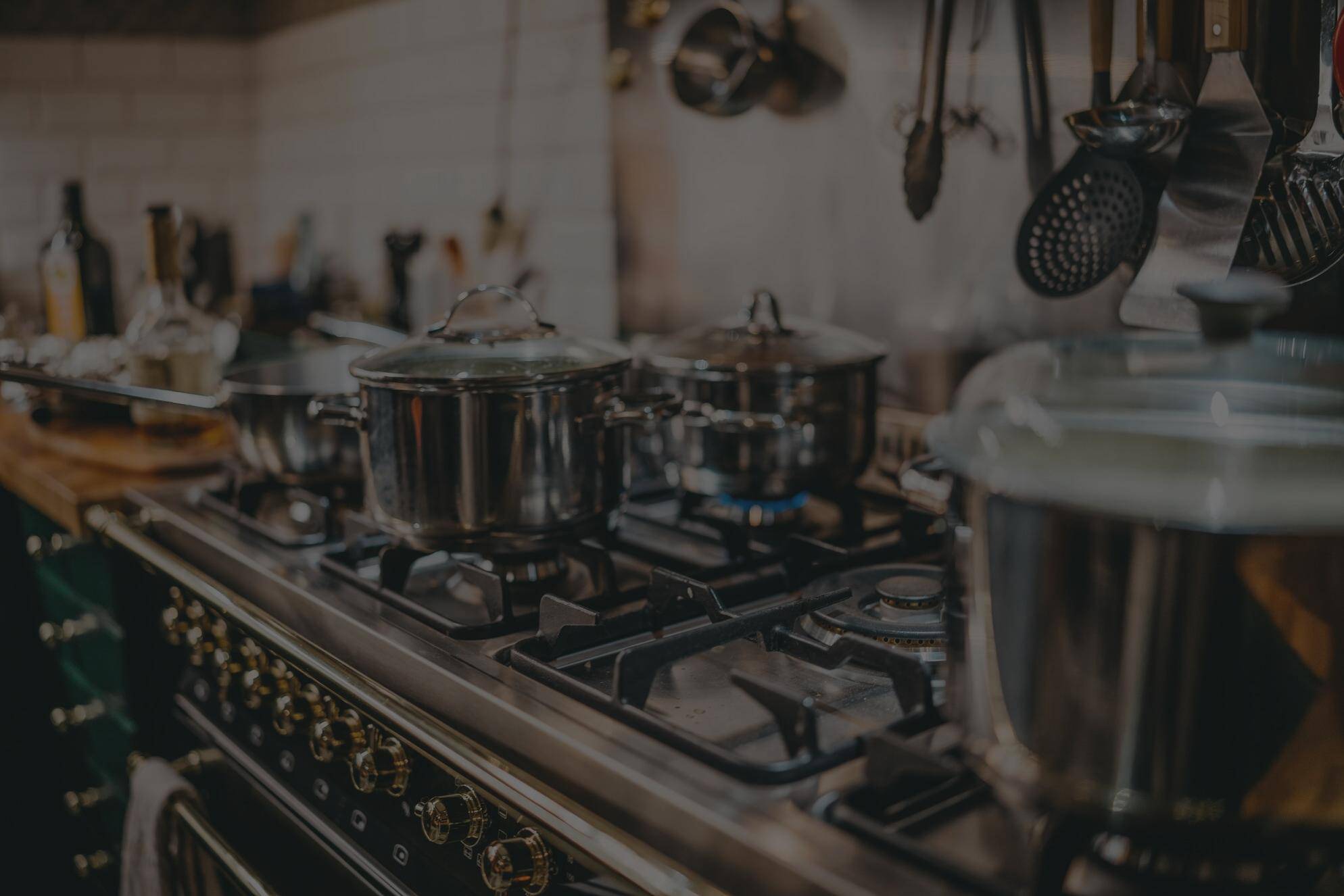
With so many family recipes and meals for one to choose from, not having the right pots can restrict home cooks. This is a shame if you're limited in what you can cook at home due to the types of cooking pots you have available. So, what are the best cooking pots to have at home, and when should you use them? Read on to find out.
Cooking pot types
Whether you're planning to follow more beef recipes for Sunday roasts or looking to make consistent vegetarian recipes like lentil-based stews or casseroles, there's one thing you'll always need: the right cooking pot for the job. Most pots fall into three main categories—those for hob use, oven use, or both.
Best cooking pots for hobs
If you're sautéing or shallow-frying ingredients for something like a hoisin ginger beef & veggie stir-fry, then reach for a skillet, sauté pan, or frying pan. For dishes that combine frying with liquid additions, like this one-pot tandoori chicken, a wide-bottomed saucepan or stockpot works best.
Stockpots are excellent for reducing sauces or simmering soups to achieve a smooth, rich texture. To prevent dishes from drying out while still allowing steam to escape, cover the pot loosely with a lid when reducing liquid.
If you cook on an induction hob, ensure your pots are compatible. Many modern pots are induction-ready, but it’s always wise to double-check labels for suitability across different heat sources—and whether they’re oven-safe.
Best pots for cooking in the oven
Some of the best recipes begin on the hob and finish in the oven. A great example is sweet & sticky Korean-style fried chicken, which benefits from both techniques. If you're using a pot that can’t go from stovetop to oven, transfer the food into an oven-safe dish partway through.
Metal pots made from iron or stainless steel are generally safe for oven use. In contrast, ceramic or glass pots should not be used on hobs, as they’re likely to crack under direct heat. That said, ceramic is perfect for oven-only dishes, like oven-baked spiced chicken.
High-sided casserole dishes made from cast iron are particularly effective for oven recipes, helping to retain moisture and minimise spillages, especially for slow-cooked meals.
Pot vs pan: What’s the difference?
Though often used interchangeably, pots and pans are different. Pans are shallow with long handles, great for frying and sautéing. Pots are deeper, with higher sides—perfect for boiling and simmering. Interestingly, saucepans fall into the “pot” category despite the “pan” in their name. As long as you understand the functional difference, using the terms flexibly isn’t a problem.
Types of cooking pot materials
- Stainless steel: Durable and safe, often used in both home and professional kitchens.
- Copper-bottomed pots: Offer even heat distribution, especially helpful on the hob.
- Cast iron: Ideal for slow cooking and oven use. These can be heavy and reactive if not enamel-coated.
- Aluminium: Lightweight and durable, though often combined with non-stick coatings.
- Ceramic and glass: Excellent for oven-based dishes and stylish for serving, but generally not hob-friendly.
- Non-stick (e.g. Teflon-coated): Great for everyday use, but always check if they’re oven-safe before transferring.
Types of Cooking Pots FAQ
What are cooking pots used for?
Cooking pots are versatile tools used mainly for heating food over the hob or in the oven. They’re suitable for boiling, braising, stewing and even steaming. Many can also handle raw prep work or function as serving dishes.
What are the essential types of pots?
Stockpots are best for soups and stews. Saucepans, slightly smaller, are great for boiling or making sauces. Sauté pans handle shallow frying. Dutch ovens and casserole dishes, especially those that are oven-safe, are great for slow cooking and one-pot meals.
What kind of cookware is best for everyday use?
A quality saucepan is arguably the most versatile daily-use pot. It handles everything from boiling to frying (if it’s non-stick). For versatility, Dutch ovens or casseroles that can go from hob to oven—like those used to make one-pot chicken & couscous—are highly valuable.
What cookware is 100% safe?
Stainless steel is among the safest cookware materials. Enamelled cast iron is also non-reactive and suitable for high heat. Oven-safe glass is excellent for baking and reheating and works well in microwaves, too.
What are the disadvantages of cast iron?
Bare cast iron can react with acidic foods and alter flavours. It's heavy, takes time to heat, and isn’t dishwasher-safe. These features make it less suitable for quick meals or cooks who want easy cleanup.