
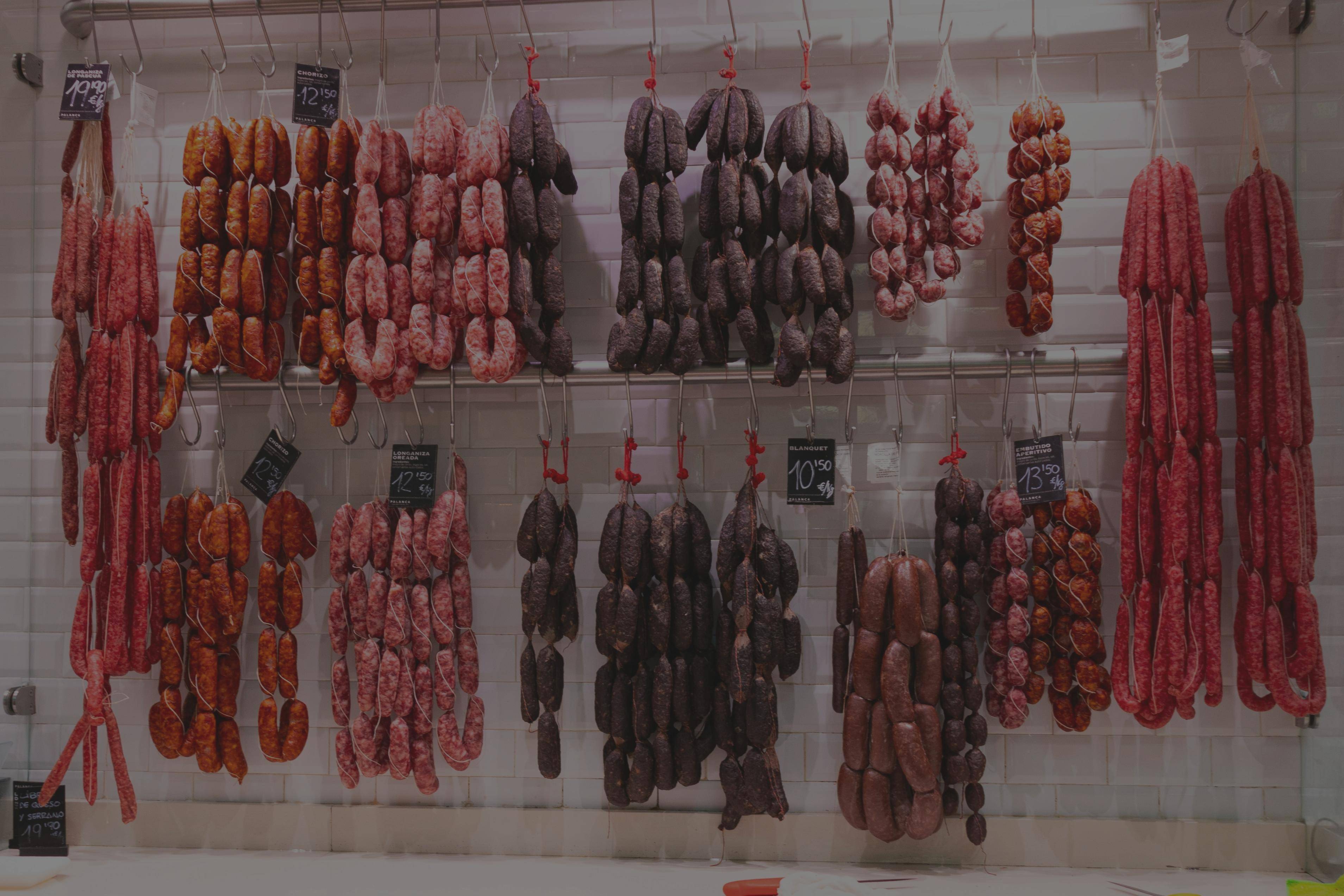
There are many pork mince recipes that Aussie home cooks prepare regularly, but one of the most common ways pork mince is enjoyed is in the form of sausages. Sausages appear in everything from family dinners to backyard barbecues, and their flavour, texture and cooking method vary massively depending on the type. If you want to better understand the different types of sausage available in Australia and how to use them, the breakdown below covers everything you need to know.
Which types of sausage need cooking and which don’t?
Sausages fall broadly into two categories: those that must be cooked before eating, and those that are already cooked, cured or dried. Understanding this distinction makes it easier to choose the right sausage for your recipe and ensures that everything is prepared safely.
Types of sausage you need to cook
Most of the sausages sold in Australian supermarkets and butcher shops fall into this category. They are made from raw meat, usually pork, beef, chicken or a combination of these, and need to be cooked thoroughly before serving.
Everyday sausages
These are your classic Aussie bangers, perfect for frying, grilling, baking or adding to casseroles. Many are made with pork mince, though mixed-meat versions are common too. They work well in traditional comfort dishes, tray bakes and pasta meals, or as part of casual meals with mash, veggies or salad on the side.
Classic British sausages
Australia imports a surprisingly wide range of British-style sausages, which are popular thanks to their distinct seasoning profiles. The most familiar examples include:
Cumberland – A coiled sausage with a peppery kick, ideal for casseroles or slicing into hotpots.
Lincolnshire – Recognised for its strong sage flavour, which stands out in pies and stuffings.Gloucester – Made with pork, leeks and herbs, offering a mild but aromatic taste.Newmarket – A Suffolk-style sausage with a rich, herby mixture.Oxford – A historic blend of pork and veal, seasoned with nutmeg for warmth.Welsh dragon – Pork mixed with leeks and a hint of chilli for gentle heat.These regional varieties are well suited to dishes where the sausage flavour is the hero, such as toad-in-the-hole, skillet meals or pastry-based recipes.
Fresh sausages from around the world
Aussie supermarkets also stock a wide selection of international sausage styles. Each brings its own flavour profile and cooking behaviour:
Italian salsiccia – Pork-based and often seasoned with fennel. Great for pasta dishes such as creamy Italian pork sausage, broccoli & fennel farfalle.
Bratwurst – A German sausage made from pork and veal with mild spices. Grill-friendly and excellent in rolls.Toulouse sausage – A garlicky French style used in casseroles, stews and hearty one-pan meals.Boerewors – A South African beef sausage coiled like Cumberland and perfect for barbecues.Breakfast sausages – North American-style pork patties, sometimes skinless, great for brunch plates.Sai ua – A Thai pork sausage flavoured with lemongrass, herbs and chilli, ideal for rice dishes and stir-fries.Blood sausages
Blood sausages must also be cooked before eating.
Black pudding is the most familiar example in Australia and New Zealand, though white pudding is popular in Ireland. In Europe, variations like morcela (Portugal) and Blutwurst (Germany) appear in stews, roasts and cold platters.Different types of sausages you don’t have to cook
Some sausages are precooked or preserved in ways that make them safe to eat without further cooking.
Precooked sausages
These include Frankfurters, which are commonly used in hot dogs but can also be sliced into salads or wraps. Their smooth texture and mild seasoning make them easy to use in quick meals or lunchboxes.
Other precooked options include:
Mortadella – A classic Italian cold cut with a peppery, silky flavour.Knackwurst – A German sausage with a snappy casing and mild taste.Cured sausages
Cured sausages have been salted, smoked or fermented to preserve them. Some can be eaten straight away, while others also require cooking.
Common cured sausages include:
Kielbasa – A Polish sausage with a smoky flavour, widely used in stews and grilled dishes.Cotechino – An Italian sausage that requires long cooking and appears in festive meals.Linguiça – A Portuguese sausage with garlic and paprika.Spanish chorizo can be confusing because some versions are fully cured (ready to slice), whereas fresh chorizo needs cooking. Checking the packaging is the best way to tell which type you have.
Dried sausages
Dried sausages lose moisture over time, becoming firm and concentrated in flavour. Examples include pepperoni, salami, finocchiona, Landjäger and Turkish sucuk. These are ideal for antipasto, pizzas, grazing boards and sandwiches.
Using sausages in different culinary contexts
Sausages suit far more than classic bangers and mash. They’re adaptable, flavourful and fit into a huge range of cuisines. You can try recipes such as:
Beef sausage pie – A warming, family-friendly dinner using hearty beef sausages. Double herbed pork sausages & tomato relish – A bright, comforting dish with layers of flavour.
Or browse a full list of pork sausage recipes and meals with sausages for more inspiration.
International flavours work particularly well with sausages too. Italian-style meals, for example, often use fennel or herb sausages in pasta sauces or baked dishes, while Asian recipes incorporate sliced or crumbled sausage into stir-fries, rice bowls or noodle dishes.
Vegetarian and vegan sausages
Sausages are often associated with meat recipes, but there are now plenty of vegetarian and vegan recipe options available in Australia. These versions are designed to mimic the bite and texture of meat sausages while using plant-based ingredients.
Most rely on binders such as potato starch, maize starch or wheat gluten to replicate firmness. Common filling ingredients include mushrooms, chickpeas, beans and carrots. Some are made with mycoprotein and bound with egg whites, while fully vegan versions avoid egg entirely.
If you’re catering for mixed diets, many sausage-based meals can be adapted easily. For example, a family meal plan with sausages can be made vegetarian by swapping in meat-free varieties.
Types of Sausages FAQs
What type of food is a sausage?
A sausage is made from minced meat mixed with herbs or spices, shaped into a tube and held in place by a casing. Vegetarian alternatives follow the same structure but use plant-based ingredients instead of meat.
What is a traditional sausage?
Traditional sausages follow long-established recipes. Cumberland, Lincolnshire and Gloucester sausages are well-known examples, each with its own distinctive blend of herbs and spices. While natural casings were once standard, modern producers often use synthetic casings instead.
What is a Manchester sausage?
A Manchester sausage is a regional English variety that contains white pepper, ginger, nutmeg and mace. These spices give it a punchier flavour compared with other British-style sausages.
How many types of sausages do we have?
Globally, there are thousands of sausage varieties — far too many to list. Between supermarket selections, international imports and local butcher creations, the range is enormous.
What are the five basic classifications of sausage?
The main categories are fresh, cooked, cured, blood and dried. Examples include Gloucester (fresh), Frankfurters (cooked), chorizo (cured), black pudding (blood) and salami (dried).