
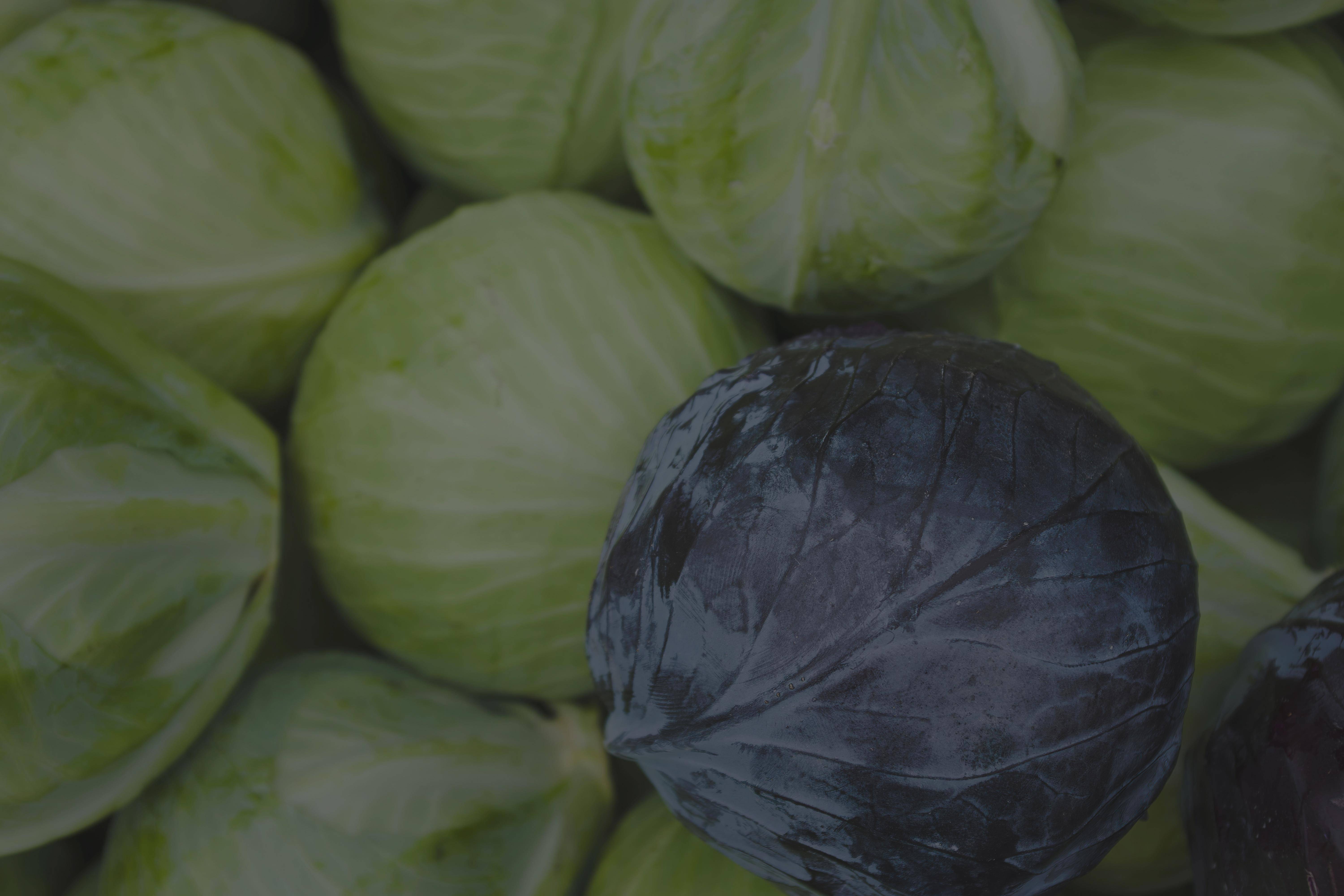
Cabbage is a common addition to a food subscription box delivery from HelloFresh, so it helps to know how to use it across different meals. It’s not just for vegetarian recipes either. Cabbage works just as well with pork, beef, chicken or even seafood, and it appears in everything from slaws to stir-fries. Below are some of the most familiar cabbage varieties that Australians are likely to see throughout the year.
10 types of cabbage for seasonal cooking
While not all of these varieties are available all the time, most of them can be found in Australia, depending on the season and where they are grown.
Types of cabbage for spring
These cabbages tend to arrive early in the season and work well in cooking fresh cabbage dishes:
Sweetheart cabbage – Also called Hispi, this pointed variety has tender leaves and a mild sweetness. It cooks quickly and works well in slaws, stir-fries and light sautés.Duncan cabbage – An early-season cabbage with compact leaves that shred easily, making it a good choice for simple salads or quick side dishes.Types of cabbage for summer
Warm-weather varieties offer crisp leaves and a refreshing texture:
Golden Acre cabbage – A classic summer cabbage with a firm head and mild flavour. Its crunch is ideal for coleslaw, tacos or simple sautéed dishes.Stonehead cabbage – A reliable hybrid with a dense head and a neutral flavour that suits all kinds of recipes, from braised dishes to stir-fries.Types of cabbage for autumn
Autumn is peak season for many well-known cabbage varieties:
Green cabbage – Sometimes labelled as white cabbage, these pale-green heads are among the most versatile options. They store well and work beautifully in shredded dishes, roasted sides or slow-cooked meals.Red cabbage – Loved for its colour and crunch, red cabbage is excellent in warm or cold dishes. There are plenty of recipes with red cabbage that use it in slaws, braises or as a vibrant side.Types of cabbage for winter
Cool weather brings out some of the heartiest cabbage varieties:
Savoy cabbage – Known for its wrinkled leaves and nutty flavour, Savoy cabbage is great for roasting, steaming or adding to noodle dishes. It’s also a popular choice for winter comfort food.January King cabbage – A striking variety with purple-tinted green leaves. It’s hardy and flavourful, especially in stews, soups and slow-cooked meals.Savoy King cabbage – A hybrid with large, textured leaves that cook down well in both light and hearty recipes.Tundra F1 cabbage – A winter-hardy option with a dense head and good keeping quality. Its firm structure means it holds up well in soups, hotpots and braised meals.Different types of cabbage recipes to inspire
There are loads of cabbage recipes that make good use of this versatile vegetable. Many warm dishes rely on cabbage for flavour and structure, while raw preparations let its natural crunch stand out. For a meal with bold flavours, try this Thai-style beef & loaded cabbage slaw, which pairs cabbage with noodles or rice.
Cabbage also works well in mains. This cabbage quesadillas recipe highlights how it can stand in for more traditional fillings. You can also add cabbage to protein-based dishes like chicken and cabbage slaw tacos or try a richer option such as pepita & sesame pork with braised cabbage.
Because most cabbage varieties share similar core qualities, they can often be swapped in recipes. If your coleslaw calls for green cabbage but you only have red, or vice versa, the dish will still work well. Flavours and textures differ slightly between varieties, but in most cases, they’re similar enough to use interchangeably.
How do cabbage types stack up for nutrition?
All cabbage varieties contain vitamins K and C, but each type has its own nutritional strengths. Savoy and green cabbage offer higher levels of vitamin K, while red cabbage delivers the most antioxidants and vitamin C. Savoy cabbage also has a slight edge in fibre content. Eating cabbage raw preserves more nutrients, which is why sweetheart cabbage is so popular in salads.
Types of Cabbage FAQs
Which cabbage is best to eat?
It comes down to personal preference. Savoy cabbage is a favourite for many cooks thanks to its flavour and texture, both raw and cooked from frozen. Sweetheart cabbage is another popular option because of its softer leaves and mild flavour. For a nutrient boost, red cabbage is a great choice due to its antioxidants.
What is green cabbage called?
Green cabbage is also commonly called white cabbage. Both names refer to the same vegetable. The leaves are pale green and the inside is almost white, which is why both terms are used.
What is the most popular cabbage variety?
In Australia, green cabbage, red cabbage and Savoy cabbage are the most widely used. Sweetheart or pointed cabbage is also popular, especially for salads. Winter hybrids with firm heads are often available later in the season when traditional varieties are less common.
What is black cabbage called?
Black cabbage refers to cavolo nero, or Tuscan kale. Although its nickname includes “cabbage”, it isn’t a true cabbage variety. It grows in long, textured leaves rather than compact heads. Its flavour is more similar to kale, with a slightly earthy taste.
What kind of cabbage is best for salads?
Green cabbage is the go-to option for most salads and coleslaws because of its natural crunch. Red cabbage works too, though it’s firmer and best when shredded finely. Savoy cabbage can be used raw as well, especially when the leaves are torn into smaller pieces for a softer texture.