
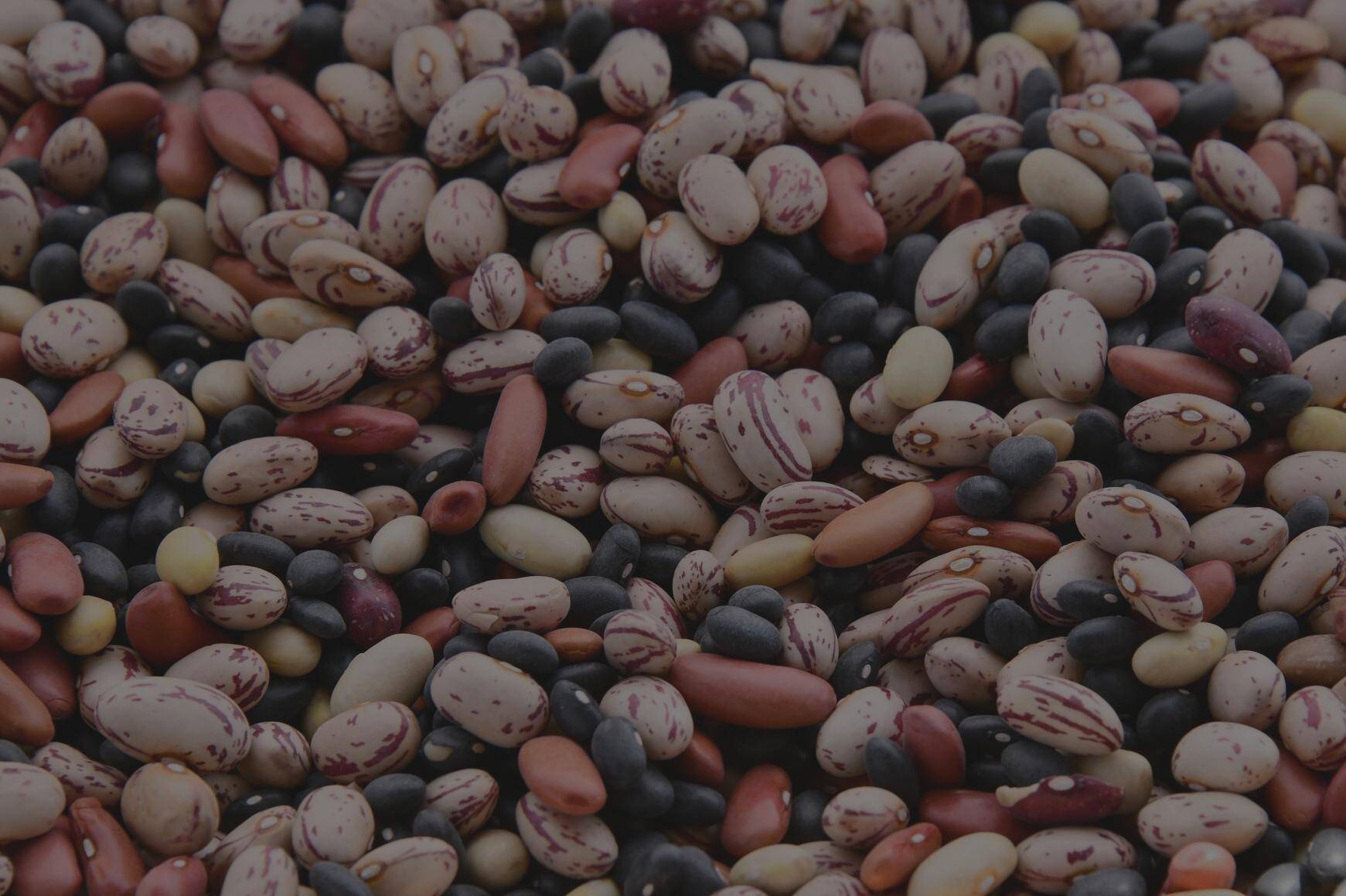
Beans offer nutrients and protein without the need for meat. As such, they tend to suit calorie smart meals when you don't want to overdo fat intake. Of course, beans can be served as an accompaniment with meat and fish, but they're also the main ingredient in many dishes. Find out more about beans and how to use them in home cooking.
Understanding vegetable, pulse and bean varieties
Some ingredients that are commonly called beans aren’t beans at all. Cocoa beans, coffee beans and tonka beans, for example, are actually seeds. Similarly, some pulses aren’t true beans either, such as chickpeas, lentils and garden peas. These are all widely used in kitchens around the world, but they shouldn’t be confused with true beans, which are pulses belonging specifically to the Phaseolus or Vigna genus (such as kidney beans or black-eyed beans).
True types of beans and their uses
True beans are used in culinary traditions from across the world. Here are the main ones to look out for:
- Cannellini beans are a staple of Tuscan cooking and feature in many Italian soups, stews and salads.
- Flageolet beans are a mainstay of French cooking and are often paired with lamb.
- Haricot beans are best known in Australia as the base in dishes like cheesy BBQ baked beans, though they’re also excellent in stews and casseroles without the tomato sauce.
- Fabada beans, traditional in northern Spain, are the star of Asturian stews. They’re less common in Australia and New Zealand, but butter beans make a good substitute.
- Kidney beans are popular in Aussie homes, especially in chilli con carne. They also work well in vegetarian pies or as a hearty addition to a shepherd’s-style mince bake.
Foods called beans and their uses
Some so-called beans, such as varieties of broad beans, aren’t true beans, yet they’re still widely used in home cooking. Here are a few examples:
- Coffee beans are not beans at all but seeds. They’re roasted and ground into the bitter powder used to make coffee.
- Green beans are usually steamed or boiled, though they can also be chopped and stir-fried.
- Broad beans, including fava beans, can be eaten fresh or dried and are often added to soups and stews for thickness and flavour.
- Runner beans are classed as vegetables rather than true beans. They’re typically served boiled or steamed alongside meat or fish.
Which kinds of beans work best in Asian cuisine?
Green beans feature in this tasty Thai-style chicken & green bean curry recipe, but they are not the most traditional variety in Asia. Black soybeans are widely used in China and Korea, while fresh soybeans, often served as edamame or processed into tofu, are popular across the continent.
Adzuki beans are a mainstay of Chinese and Japanese food cultures, especially in desserts. Kidney beans are popular in North India, and you can find out more about their use in this kidney bean recipe collection. Mung beans, whether sprouted or not, are used throughout Asian cuisine for curries, stir fries and more.
Which types of beans work best in Caribbean and American cuisine?
This red kidney bean & roast veggie stew uses a mix of beans, though pinto beans are the traditional choice in Mexican and Caribbean cooking and are also common in dishes from the southern United States.
White beans are another staple across Latin America, from everyday meals to recipes like these white bean & roast veggie stew. Haricot beans show up in baked beans in North America, butter beans are popular in South American stews, and kidney beans feature heavily in Jamaican rice and peas as well as Mexican chilli.
Types of Beans FAQ
How many types of beans are there?
In botany, beans are seeds from leguminous plants in the Fabaceae family, and the number of them runs into the hundreds. In culinary terms, however, there are about 20 or so common varieties of beans. Varieties of beans most used in Australian kitchens include kidney beans, black beans, pinto beans, mung beans, butter beans, green beans and haricot beans.
What is the most delicious bean?
The tastiest type of bean is a matter of personal preference. Borlotti beans are often prized as among the most flavoursome, offering a nutty quality. Black beans are rich and earthy, meaning that they can compete well in combination with other strong flavours. Adzuki beans are sweet, so they're often delicious when served in East Asian desserts.
What is the healthiest bean to eat?
No one kind of bean can be said to be healthiest, but some have distinct nutritional value. For example, black beans are high in antioxidants. Kidney beans are high in fibre, which makes them good for digestion, as well as offering plenty of folate and potassium. Butter beans contain potassium, magnesium and iron, with some nutritionists favouring them for blood pressure control.
What is the smallest bean?
Mung beans are the smallest true beans, although some lentils – not true beans – are smaller still. Mung beans are only a few millimetres in diameter, but swell up when they've been soaked. They're typically used in soups and dahls, but can be sprouted and served in salads and stir-fries.
Which beans are a superfood?
Although “superfood” is more of a marketing term than a scientific one, some beans are often seen as part of that group. Black beans, kidney beans and butter beans are all rich in fibre and nutrients. Haricot beans, commonly sold as baked beans in tomato sauce, also provide plenty of B vitamins, magnesium and potassium. Soy beans stand out for their high protein content, making them a valuable superfood for vegetarian meal plans and vegan diets.