
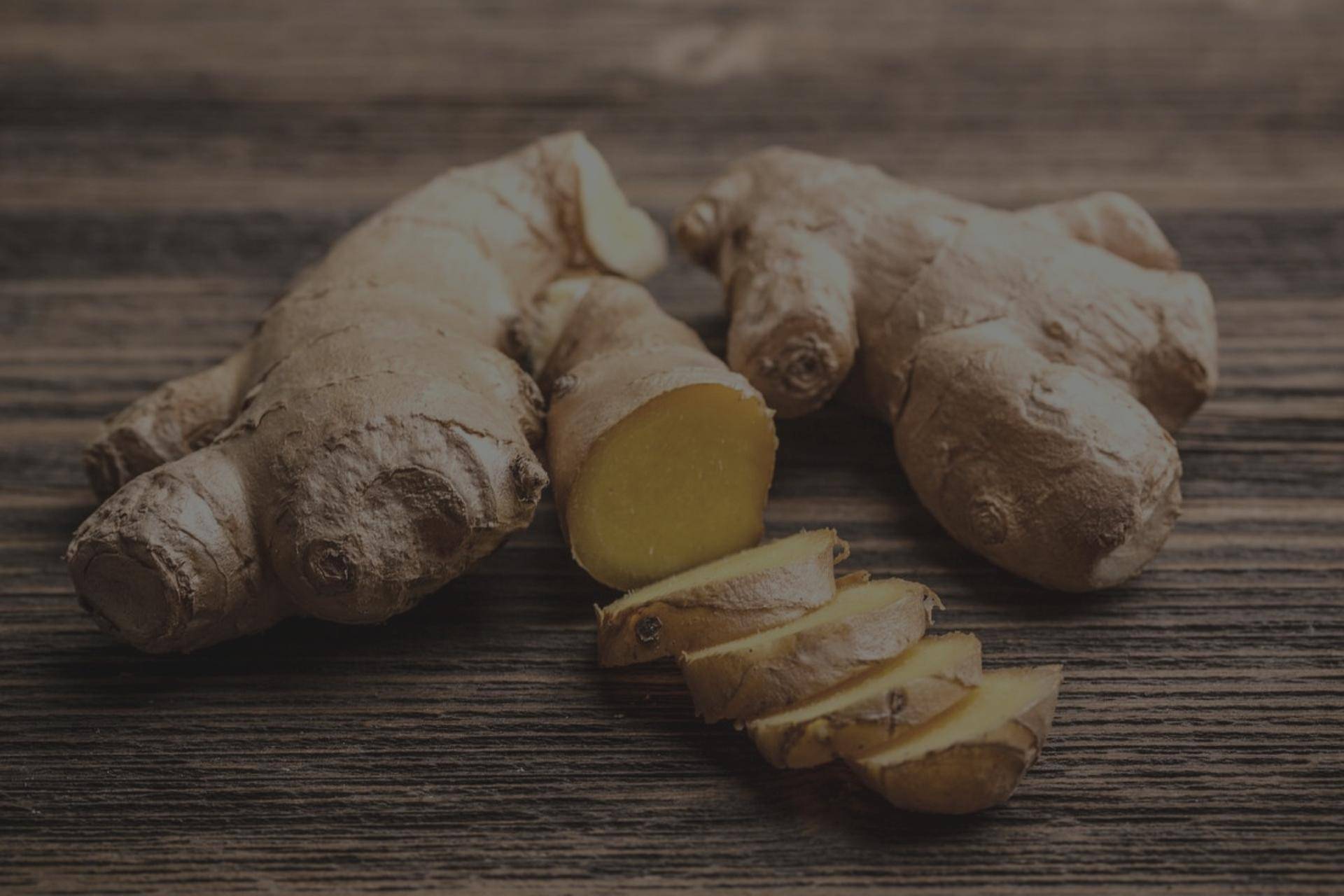
Whether you're making coconut chicken curry or simply adding fresh ginger to a cup of tea, it's worth taking a closer look at its nutritional value. Ginger has long been used in cuisines around the world and is also widely associated with a variety of traditional health benefits. Read on to discover more about ginger nutrition and simple ways to enjoy it at home.
Ginger nutrition at a glance
Fresh ginger is a common ingredient in many meals, so it's worth understanding what it adds nutritionally. A typical 10-gram serving of fresh ginger provides approximately:
- 8 calories
- 1.8 grams of carbohydrates
- 0.2 grams of protein
- 0.1 grams of fat
- 0.2 grams of fibre
- 42 mg of potassium
Ginger also contains small amounts of magnesium, phosphorus, vitamin C and vitamin B6. Ground ginger provides many of the same nutrients but is much more concentrated, so a typical serving is closer to one gram than 10 grams. For more on ginger flavour and nutrition, see the HelloFresh spice guide.
Potential benefits of ginger
Ginger has been used in cooking and traditional remedies for centuries. Research suggests it may help relieve feelings of nausea, although its effects can vary. Ginger also contains naturally occurring compounds such as gingerols and shogaols, which have shown antioxidant and anti-inflammatory properties in laboratory studies.
While more research is needed to understand exactly how these compounds affect human health, they are one of the reasons ginger continues to attract scientific interest. These potential ginger health benefits have also led to interest in ginger as an anti-inflammatory ingredient. If you enjoy cooking with fresh ingredients, ginger can be easily incorporated into everyday meals with very little processing.
Is fresh ginger good for you?
Fresh ginger is an ingredient found in dishes such as Malaysian stir-fried chicken noodles, where it adds both flavour and nutrients. While cooking may slightly alter some of its naturally occurring compounds, fresh ginger still retains much of its nutritional value and distinctive flavour. It's truly a versatile ingredient, ideal for both savoury dishes and refreshing drinks.
Ground ginger contains many of the same nutrients as fresh ginger, although it is more concentrated and is typically used in smaller amounts. Over time, however, its flavour and aroma gradually fade. Due to this, ground ginger is best used while relatively fresh. Store it in an airtight container away from heat and moisture to help preserve its quality.
Cooking with ginger
Ginger works particularly well in stir-fries and noodle dishes, where it adds warmth and depth of flavour while pairing well with a wide range of vegetables, herbs and spices. Ginger in curries also complements warming spices such as cumin, turmeric and coriander. It can even be baked into sweet treats like biscuits, where it provides its distinctive aroma and gentle spice.
Many vegetarian recipes make use of ginger because it complements ingredients such as garlic, chilli and fresh vegetables. It's equally at home in curries, soups, noodle dishes and vegetarian pasta recipes. Fresh ginger also pairs well with fish and seafood dishes, including ideas from the high-protein recipes collection. When cooking with ginger, peel away the outer skin before grating or slicing if it is particularly tough.
Ginger in drinks
Many people wonder whether ginger drinks offer the same nutritional benefits as fresh ginger. The answer depends on how the drink is made and how much ginger it contains. Some of the most popular ginger drinks include:
- Ginger tea
- Lemon and ginger tea
- Fresh ginger shots
- Ginger beer
- Ginger ale
In simple drinks such as homemade ginger tea, fresh ginger is steeped in hot water to release its flavour and some of its naturally occurring compounds, including gingerols. Although you don't usually eat the ginger itself, the infusion still captures some of its distinctive characteristics. This is also why ginger tea benefits are often discussed alongside those of fresh ginger.
Drinks such as ginger beer and ginger ale are different. While they may contain ginger, they're often higher in added sugar and other ingredients. Because of this, they are different nutritionally from drinks made primarily with fresh ginger and water. Ginger is easy to work into a varied weekly menu, especially if you explore HelloFresh meal plans that include curries and noodle dishes where fresh ginger works well.
Is ginger good for you FAQs
Is fresh ginger good for you?
Yes. Fresh ginger is a nutritious ingredient that can be enjoyed as part of a healthy, balanced diet. It contains small amounts of fibre, protein, vitamins and minerals, along with naturally occurring compounds such as gingerols that are being studied for their potential health effects.
Can you eat ginger every day?
Most people can enjoy ginger regularly in moderate amounts. Fresh ginger can easily be added to meals, smoothies, teas and other hot drinks. However, large amounts may cause heartburn or stomach discomfort in some people, so it's best enjoyed as part of a varied diet.
Is ginger healthier raw or cooked?
Neither raw nor cooked ginger is necessarily healthier than the other, as both offer different advantages. Raw ginger retains more of certain heat-sensitive nutrients, while cooked ginger still provides flavour and many naturally occurring compounds. The best choice depends on how you use it.
Does ginger lose nutrients when cooked?
Some nutrients and naturally occurring compounds can be affected by heat, particularly when ginger is cooked at high temperatures for long periods. Even so, cooked ginger continues to provide flavour and retains a range of naturally occurring compounds.
Is it safe to eat raw fresh ginger?
Most people can safely eat raw fresh ginger in typical food amounts. It can be grated into salads, stirred into dressings or infused in hot drinks, adding flavour and nutrition. Its flavour can be quite strong, so only a small amount may be needed.