
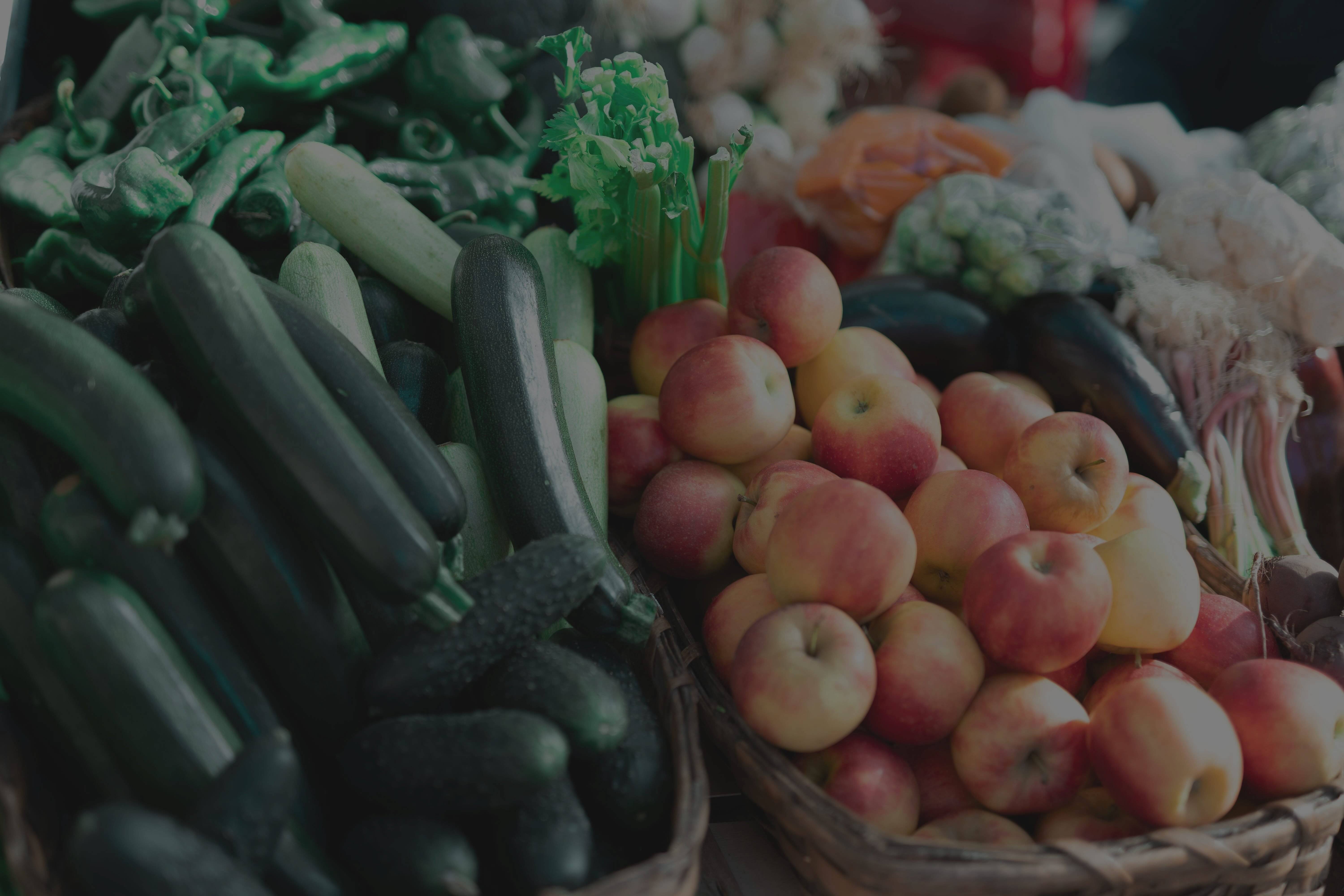
Following a sugar-free diet can sound rather dull, but it doesn't have to be. In fact, the term "sugar-free" is a bit misleading. It's impossible to completely avoid all sugars. Instead, people who follow a sugar-free diet focus on avoiding any added sugars. The goal is to eat whole, unprocessed foods that are as natural as possible. Read on for some of the best things to eat when you're cutting out sugar.
Making a sugar-free diet plan
Before you start following a sugar-free diet, you need to decide exactly what that means for you. There are naturally occurring sugars in foods. Some people decide to eat whole foods, avoiding processed foods with added sugars. Others go for a stricter version of the diet, looking for ingredients with minimal natural sugars, too.
Sugar-free recipes generally focus on natural whole foods. If you're worried about naturally occurring sugars, look for low-carb recipes. These will have a far lower sugar content than high-carb alternatives.
Top tip: If you currently eat a lot of sugar, don't go cold turkey — it'll be really hard to maintain, and you might feel quite off during the first few days or weeks. It's a lot easier to cut down gradually, and you're more likely to stick to your new plan.
Sugar-free fruits to satisfy your sweet tooth
When you go sugar-free, you'll probably have some sweet cravings. To satisfy them, look for low-sugar fruits. Berries are a great choice — they've got very little natural sugar, so they're often included in low-carb diet plans. You might also want to look for apple recipes. Naturally tart, apples can add a touch of sweetness without going overboard — just stick to lower-sugar varieties like Granny Smith.
There are some low-sugar desserts that can hit the spot on special occasions. These Jingle berry-lemon cheesecake pots are a real sweet treat but are much lower in sugar (just 1 tablespoon) than other choices.
A sugar-free foods list for meal planning
Here are some foods that should form the backbone of any sugar-free diet:
- Proteins. Animal protein, fish and seafood are all extremely low in sugar. For vegetarian alternatives, try eggs and legumes, such as lentils, chickpeas and beans.
- Non-starchy vegetables. As a general rule, starchy veggies like potatoes and carrots are higher in sugar, while leafy greens, such as spinach and kale, as well as broccoli, cucumber, celery and radishes, are low-sugar options.
- Dairy. If you include dairy products in your diet, look for plain products like unsweetened Greek yoghurt and cottage cheese.
- Wholegrains. Brown rice, quinoa and oats are all good low-sugar options. Avoid refined grains like white rice and bread.
- Nuts, seeds and oils. These contain natural fat, so use small portions if you want strictly low-calorie meals, but they are an important part of a balanced diet.
It's always best to look for foods that are naturally low in sugar rather than choosing processed diet foods marketed as a low-sugar option. Some people react badly to artificial sweeteners, which can cause bloating, gas and digestive discomfort.
How to eat sugar-free without getting bored
Many of the most common convenience ingredients in the supermarket are packed with hidden sugars. The more shortcuts you take in the kitchen, the more likely you are to stumble upon secret sugar. Spice blends, curry pastes and pasta sauces are often full of the white stuff.
To keep sugar low, you'll need to cook from scratch more often. Think carefully about how you season your food. Rather than reaching for a packet of pre-blended spices, mix your own. Add flavour to food with a squeeze of lemon or lime juice, a drizzle of olive oil, or a sprinkle of sesame seeds — all tasty, low-sugar options. Look at lemon recipes for inspirational ways to add flavour without adding sugar.
Sugar-free meals that will keep the family happy
Family mealtimes are one of the biggest challenges for any dieter. Maybe you're looking for sugar-free dinners, but your family members want to just eat regular food. In these situations, the best option may be to prepare the same protein for everyone but offer different side dishes. For example, you could have brown rice or a side salad, while other diners eat white rice or chips.
Following a Sugar-Free Diet FAQ
Which food has no sugar?
Animal proteins and oils are naturally sugar-free. Many other foods are extremely low in sugar and work well in a sugar-free diet. These include legumes, leafy greens, cruciferous vegetables like broccoli and cauliflower, and plain dairy products like Greek yoghurt.
What foods are good to eat to avoid sugar?
To limit your sugar intake, focus on whole, unprocessed foods. That means loading up on vegetables, lean proteins and healthy fats. You can also enjoy low-sugar fruits in moderation, like berries or tart apples. Melons are slightly higher in natural sugars but can still fit into a low-sugar plan, depending on your goals.
Are sugar-free foods healthy?
Yes, in general, sugar-free foods are very healthy, as they include vegetables, whole grains and natural proteins. Choosing to eat naturally sugar-free foods means you'll avoid ultra-processed foods.
Why do sugar-free foods cause gas?
Naturally sugar-free foods don't tend to cause gas. However, foods that contain artificial sweeteners can often cause gas and bloating. This is because they contain sugar alcohols, which are not fully absorbed by the small intestine. The effects vary — some people can eat them with no problems, while others may feel digestive discomfort.
Can I eat bananas on a no-sugar diet?
Ripe bananas are naturally high in sugar, but it’s still natural sugar. Whether to include them depends on how strict your plan is. If you’re cutting down heavily, go for lower-sugar fruits like berries or tart apples instead.