

What Is a Low-Fibre Diet?
Have you ever heard of a “low-fibre diet" and wondered what it’s all about? After all, isn’t fibre meant to be good for you? If you’re unsure, you’re not alone.
Nutrition can be a complex topic, with countless eating plans and dietary approaches to navigate. Here, we’re focusing on the low-fibre diet — a seemingly counterintuitive concept that can actually be helpful in certain health situations.

What Is a Low Fibre Diet?
Fibre is a nutrient naturally found in foods such as fruit, vegetables and whole grains — a true star in our diets. It’s a complex carbohydrate that supports digestive health, helps regulate cholesterol levels and can even aid with weight management.
But what happens when we intentionally cut back on this beneficial nutrient? That’s where the low-fibre diet comes in — a plan that involves reducing your fibre intake to around 15 grams or less per day. For context, this is far below the daily recommended fibre intake of about 25 (women) to 30 (men) grams for adults, according to Australia’s HealthDirect Portal. The idea is simple: focus on foods low in fibre and limit those that are high in it.
What Foods Are Commonly Included in a Low-Fibre Diet?
A low-fibre diet can be more challenging than it sounds. Fibre is found in a wide variety of foods, so avoiding it while still eating healthily can take some planning. Here’s a list of some common low-fibre foods that you can include in your daily meals:
What Foods Should be Avoided on a Low Fibre Diet?
Knowing what to avoid is just as important as knowing what to eat. Remember, the goal here is to keep your daily dietary fibre intake as low as possible.
With that in mind, here are some foods that are very high in fibre you should steer clear of:
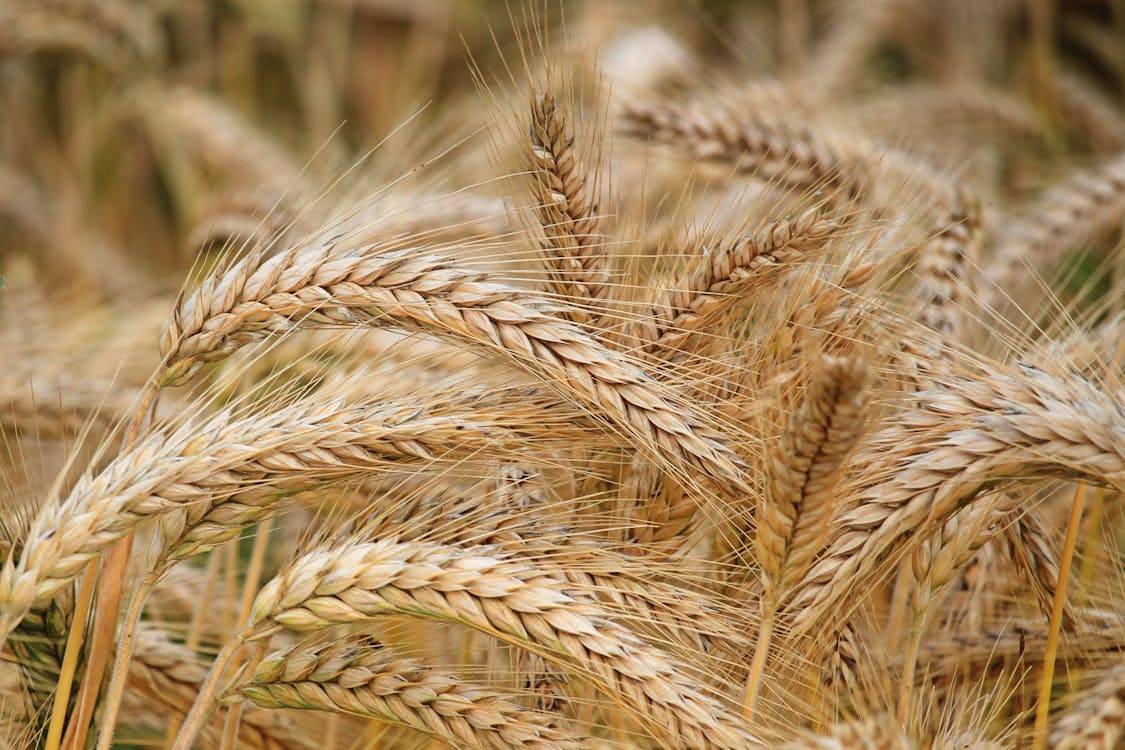

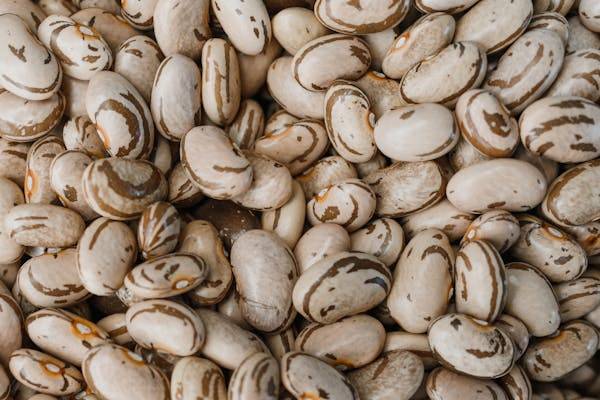

When Is a Low-Fibre Diet Recommended?
A low-fibre diet isn’t usually the first eating plan that comes to mind when you think about healthy nutrition. However, there are specific circumstances where it’s not just recommended but necessary.
Here are a few examples where a diet low in fibre may be the most suitable option:
- Digestive Disorders: Certain digestive conditions benefit from a low-fibre diet, particularly during flare-ups. These include Crohn’s disease, ulcerative colitis and diverticulitis. Such inflammatory bowel diseases can cause the gastrointestinal tract to become sensitive and inflamed. Reducing fibre intake can help minimise bowel movements and allow the digestive system time to rest and recover.
- Before Medical Procedures: When preparing for a procedure such as a colonoscopy, your doctor may advise following a low-residue diet. This is because high-fibre foods can linger in the intestines and affect visibility during the procedure. A low-fibre diet helps ensure the bowels are clear, making the process more effective and accurate.
- Post-Surgery Recovery: After certain gastrointestinal surgeries, a low-fibre diet may be recommended to allow the digestive system to heal without the strain of processing high-fibre foods.
- Other Digestive Issues: If you’re dealing with diarrhoea or recovering from an episode of acute diverticulitis, a low-fibre diet can help. Reducing fibre can decrease stool volume and frequency, giving your digestive tract the rest it needs to recover.
It’s worth noting that a low-fibre diet is usually a short-term plan. Once your condition improves or the medical procedure is complete, you can gradually return to a balanced, fibre-rich diet.
What Are the Potential Drawbacks of a Low-Fibre Diet?
While a low-fibre diet can be helpful in certain situations, it’s important to understand that fibre plays a crucial role in overall health. Here are a few potential drawbacks you might experience if you cut back on fibre for too long:
- Digestive Health: Fibre is vital for maintaining a healthy digestive system. It adds bulk to stools, helping to promote regular bowel movements and prevent constipation. A long-term low-fibre diet could lead to constipation or other digestive problems.
- Heart Health: Dietary fibre, particularly soluble fibre, helps reduce LDL (bad) cholesterol levels, supporting heart health and lowering the risk of heart disease. A diet low in fibre may not provide these heart-healthy benefits.
- Blood Sugar Control: Fibre — especially from whole grains — slows down sugar absorption, helping to stabilise blood sugar levels. A low-fibre diet may make it harder to manage blood glucose, particularly for those with diabetes.
- Weight Management: High-fibre foods tend to be more filling, helping prevent overeating and supporting healthy weight management. Without enough fibre, you may feel hungrier and consume more calories than intended.
- Nutrient Intake: Fibre-rich foods are often packed with essential nutrients, vitamins and antioxidants. A low-fibre diet — especially if it includes more processed foods — may not deliver the same nutritional balance.
Remember, a low-fibre diet is typically a temporary measure, not a long-term lifestyle change. It’s usually recommended for medical reasons or recovery periods. Once the issue is resolved, most people can gradually return to a diet rich in fibre and whole foods.
Is a Low-Fibre Diet Right for You?
Following a low-fibre diet can be a bit of a balancing act. On one hand, it may be beneficial for certain medical conditions or procedures — but on the other, fibre offers many essential health benefits. While there are times when reducing fibre is helpful, it’s not something to begin without proper guidance.
Everyone’s health needs are different, and what’s suitable for one person may not be right for another. That’s why it’s important to speak with a healthcare professional or registered dietitian before making major changes to your diet. They can assess your specific situation and advise whether a low-fibre plan is appropriate for you.
Nutrition can sometimes feel like a maze, but with the right information and expert support, you can make confident, informed decisions. Whatever your dietary goals, here’s to making choices that put your wellbeing first!
